
APSF Seeks Research Grant Applications
Patient Safety Featured in Presentations
at ASA Meeting
Pierce, Siker Deliver Keynote ASA
Lectures
APSF Corporate Donors
New ASA Videotape Focuses on Perioperative
Peripheral Nerve Injury
APSF Clipboard Proves Hot Seller
ASA Exhibits Continue Safety Theme
Letter to the Editor
APSF Awards Five Research Grants for
1996
APSF Grant Funds OR Vigilance Studies
New Anesthetic Requires New Vaporizers
for Safety
Anesthesia Patient Safety Foundation
Officers and Board of Directors
Notes
The Anesthesia Patient Safety Foundation announces the deadline of June 14, 1996, for receipt of applications for research grants to start January 1, 1997. Grants are limited to a total of $50,000, cannot include indirect costs, and must be completed within two years.
Highest priority is given to studies that concern problems of anesthesia for relatively healthy patients or are broadly applicable and that promise improved methods of patient safety with a defined and direct path to implementation into clinical care. Areas of research interest include, but are not limited to: new clinical methods for prevention and/or early diagnosis of mishaps, evaluation of new and/or re-evaluation of old technologies for prevention and diagnosis, identification of predictors of patients and anesthetists at increased risk for mishaps, development of innovative methods for study of low-frequency events, methods for measurement of cost effectiveness of techniques designed to increase patient safety and innovative methods of education and training in safety.
Guidelines describing the scope of the grant program and the application format may be obtained from the Anesthesia Patient Safety Foundation, Executive Office, 1400 Locust Street, 9 Ermire, Pittsburgh, PA 15219.
Also, the guidelines for grant application can be found on the APSF Web Page: http://gasnet.med.edu/apsf. Awards will be announced at the annual meeting of the APSF in October, 1996.
by Susan Polk, M.D., B. Wayne Ashmore, M.D., J. Lance
Lichtor, M.D., Matthew B. Weinger, M.D., James R. Zaidan, M.D., Robert
E. Johnstone, M.D., Thomas Cutter, M.D., Jonathan Moss, M.D., and Andranik
Ovasappian, M.D.
At the annual meeting of the American Society of Anesthesiologists
in Atlanta October 22-25, aspects of patient safety were again the focus
of a significant number of scientific presentations.
For example, two posters in the October 23 poster-discussion dealt with surgical techniques and their effects on the hemodynamic status of the patients. Dr. F. Miller and colleagues from the Departments of Anesthesiology of the Medical College of Pennsylvania and Hahnemann University used a transesophageal echo to observe for possible emboli during total knee arthroplasty. They questioned whether a pneumatic tourniquet could cause these emboli. In 20 patients in whom the surgeon used the tourniquet, 14 patients experienced emboli when the tourniquet was deflated. Emboli >1 cm in size occurred in 10 of these 14 patients. Of the 16 patients who did not have a tourniquet, only three demonstrated emboli during cementing procedures. This paper appears to indicate that use of a tourniquet is associated with a high incidence (70%) of large emboli. While absence of a tourniquet did not eliminate emboli, the incidence was only 10%.
In a second poster dealing with surgical technique, Dr. N. Fahmy from the Department of Anesthesiology at the Massachusetts General Hospital studied ventilatory and hemodynamic effects of three methods of removing cement during total hip revision. Sixty patients were randomly assigned to three groups: (l) osteotome, (2) high speed burr, (3) ultrasonic power tool. PaO2, end-tidal CO2, heart rate and blood pressure significantly decreased when bone cement was removed with an ultrasonic device. The other devices were associated with minimal changes. Dr. Fahmy points out that since the ultrasonic power tool is associated with high intramedullary pressure and hemodynamic and pulmonary changes reminiscent of pulmonary emboli, and since the osteotome can cause bone fractures, that the high speed burr is the best device for removing bone cement relative to potential patient complications. These two articles show not only the importance of surgical techniques on hemodynamic stability, but also the vital importance of anesthesiologists and surgeons working together to improve patient care.
Dr. P. Lee and associates from the University of Michigan found that the incidence of accidental dural puncture while administering epidural anesthesia did not vary significantly among residents over the three years of training, and averaged about 1% overall. Their data were gathered from an institu-tional quality assurance database and were possibly underreported. Dr. Wei-Te Hung and colleagues from Chung Shan Medical and Dental College in Taiwan and the University of Chicago reported on a remarkably clever combination of fiberoptic bronchoscope and a disposable laryngoscope blade used to provide instructor monitoring of endotracheal intubation by novices. Either by direct vision through the bronchoscope or use of a videocamera and monitor, the instructors were able to guide the intubation attempts and increase the success of the learners' attempts.
Dr. P. Craigo and colleagues from the University of Chicago surveyed anesthesia residency programs to determine the provisions they made for failed intubations outside the operating rooms. Most often mentioned was needle crycothyrotomy by anesthesia personnel, followed by surgical crycothyrotomy by surgical personnel. Disturbingly, the plan for ventilation after needle crycothyrotomy was with bag ventilation in 51% of those who mentioned that needle crycothyrotomy was their plan. Fifty-six percent chose jet ventilation and one person chose passive oxygen insufflation (the respondents were able to choose more than one option). It was suggested that contingency plans are not well thought out in some programs that send residents out into the hospital for intubations.
Using a videocamera and microphone to analyze verbal interchange and compare it to the ability of expert systems to work with humans, Dr. R. Cook and colleagues from the University of Chicago and Ohio State University investigated communication between problem solvers in neurosurgical procedures. Expert systems are unable to communicate effectively with humans because of the lack of a common ground (a base of knowledge of dynamic situations that is shared by humans but unprogrammable in expert systems at present).
Dr. S. McNulty and associates from Jefferson Medical College explored the incidence of dysrhythmia caused by electrocautery in patients with right ventricular ejection fraction pulmonary artery catheters in place during surgery. They found that grounding the reference electrode resulted in a significant reduction of current through the catheter electrode and suggest that microshock hazard with this catheter would be minimized by grounding the reference electrode in patients.
The group from the University of California, Irvine, led by N. Shah, compared false alarms during patient motion between the Masimo SET prototype and the Nellcor N-3000 and N-200 pulse oximeters. The Masimo SET prototype was much more accurate during patient motion. The Masimo is not yet commercially available.
Dr. B. Inman and associates of The Medical College of Virginia found that EEG monitoring during carotid endarterectomy did not affect the incidence of post-op neurological defects nor the frequency of reintubation in the PACU.
In an effort to decrease decision-to-delivery times for C-sections, Dr. M. Souders and others of the Albert Einstein Medical Center in Philadelphia are conducting C-section drills involving persons from the nursing, anesthesia and obstetrical services. Performance evaluations are conducted after the drill. They hope to optimize outcomes in difficult situations.
Dr. E. Sia-Kho and colleagues from the New York Hospital-Cornell Medical Center cultured laryngoscope handles and blades. Even though the blades had been washed and soaked in Cidex, there was 16%-18% contamination. The handles which were not disinfected showed 60% contamination. The authors suggest that disposable handles and blades would eliminate the problem of cross contamination.
In another study of the importance of the postoperative anesthetic visit, D.A. Zvara and colleagues from The Bowman Gray School of Medicine of Wake Forest University, Winston-Salem, investigated the question: do repeated visits improve patient satisfaction and physician recognition? The investigators analyzed the impact of repeated postoperative visits on patients' satisfaction with their anesthetic care and with the patients' ability to recall their anesthesiologist's name. Patients who received only one postoperative visit had a very high level of satisfaction and this did not change with two or three postop visits (on consecutive days). Regardless of the number of postoperative visits, patients still had very poor recall of the specific anesthesiologist who cared for them.
Influence on postoperative hypoxemia from induction of anesthesia with thiopentone vs. propofol was reported by Drs. A. Rheineck-Leyssius and C. Kalkman, Twenteborg Hospital, Almelo and the Academic Medical Center, Amsterdam, The Netherlands. Using a randomized, prospective, double-blind design, the authors compared the incidence of postoperative hypoxemia after anesthetic induction with either of the two drugs. Anesthetic management was otherwise the same in the two groups. Induction with propofol was associated with a significantly lower frequency of hypoxemic episodes (24% vs. 45%) compared with thiopental although, otherwise, there were no differences in perioperative morbidity.
The incidence of post traumatic stress disorder (PTSD) after prolonged intensive care treatment for severe ARDS was reported by Dr. C. Stoll and colleagues, Ludwig-Maximilians University, Munich, and Department of Psychosomatic Medicine, Philipps University, Marburg, Germany. This paper described a previously unrecognized complication of prolonged ICU management. They identified all patients who had been hospitalized in their ICU for ARDS over a seven-year period and contacted all survivors (only 33%). Of these 48 patients, 44 responded to a questionnaire which allowed the authors to make a diagnosis of post-traumatic stress disorder (PTSD) according to DSMIII criteria in 23% (compared with 12% in a matched control group of postoperative patients and 0.5% in two other control groups). Note that all patients had received routine sedation during their ICU care. This study demonstrated notable implications for management of all critically ill patients.
Preoperative discomfort score predicting postoperative pain was the topic of a presentation by Dr. K. Papier, and colleagues, Wilford Hall Medical Center, San Antonio. The authors investigated the preoperative factors which might predict the magnitude of postoperative pain. After preoperative assessment, the patients received a standardized anesthetic and their pain was quantitated in the postoperative period. The factor which correlated most strongly with postop pain was preoperative anxiety.
Similarly, JCAHO surveyors have required hospitals to stipulate that syringes filled with drugs in the OR be discarded within 24 hours as an infection control policy. To study this, P. Langevin and colleagues from the University of Florida inoculated S. aureus into IV bags and syringes containing normal saline, 5% dextrose in lactated Ringer's, or 5% dextrose in saline. The microorganism count in all preps declined sharply over time. The investigators describe these fluids as bacteriostatic because the fluids lack many of the substrates bacteria require. The investigators recommend further studies and re-evaluation of routine 24-hour syringe discard policies.
Dr. D. Sklar and colleagues from the University of Chicago presented a retrospective study on the incidence of difficult intubation in obese patients. Their findings are in agreement with prior reports showing an incidence of 6% in this group. This is much higher than the 0.5-1.5% incidence of difficult intubation in the general population.
The use of a self-inflating bulb to help confirm tracheal intubation (compressed rubber bulb inflates quickly when ETT is correctly in the trachea) in the morbidly obese was presented by Dr. D. Lang of the Illinois Masonic Medical Center in Chicago. He and his colleagues were able to reduce the high incidence (21%) of false negatives (absence of reinflation in case of tracheal intubation) to 11% by compressing the bulb after it was connected to the tube rather than compressing it prior to placement on the tube adaptor. This incidence of false negatives was further decreased to 4% by giving three breaths of 400 ml each before conducting the test.
Dr. Y. Xiao and colleagues from the University of Maryland, Baltimore, presented two papers in relation to stress and airway management. They conducted video analysis of tracheal intubation during emergency and non-emergency situations. It was demonstrated that the anesthesia care provider made more inappropriate decisions during emergency airway management as compared to during elective cases. The purpose of the second study was to identify stressors during airway management. Regressional analysis identified three stressors (time, workload, and uncertainty) which contributed more to overall stress than the three factors of noise, anesthesia care provider interaction, and non-anesthesia care provider interaction.
Dr. E. Davies, et al., from the National Hospital for Neurology and Neurosurgery in London, presented their study which showed that the Mallampati oropharyngeal classification and interdental distance were significantly affected by preventing cranio-cervical extension by the patient. The study was conducted on 100 healthy volunteers who were all Mallampati class 1 when the head was extended on the neck. The Mallampati class changed to class 2 (41%) and class 3 (34%) with limited interdental gap when measurements were repeated with the head maintained in a fixed, nonextension position. They concluded that the Mallampati classification is likely to be a valuable test in patients with cervical disease who may not be able to extend their necks.
The use of three dimensional computerized tomography measuring the effect of head and neck position on pharyngeal patency in awake volunteers was reported by Dr. M. Popitz and colleagues from Beth Israel hospital in Boston. Seven volunteers were studied with the head and neck in four different positions. The "sniff" position increased, while cervical flexion decreased, pharyngeal antero-posterior diameters.
Drs. R. Glassenberg and N. Vaisrub from Northwestern University reported their findings on the incidence of failed intubation in obstetrical patients. They reviewed 2,222 charts of patients subjected to Cesarean section under general anesthesia from 1975 to 1984, and 1,356 charts from 1985 to 1994. Prior to 1985, there were eight cases of failed intubation. After 1984, failed intubation occurred in three cases. The fiberoptic bronchoscope was used in 18% of intubations since 1984 in patients suspected to be difficult intubations. The differences in failed intubation in the two reported time periods were not statistically significant. The authors raise the question that there may be an irreducible minimum of failed intubation in this population of patients, due to the presence of a subgroup of patients presenting with normal external appearance of the airway.
Dr. L. Foley, et al., from Beth Israel Hospital in Boston reported on an in-hospital difficult airway/intubation registry. Once a patient is identified as a difficult airway, a fluorescent orange "Difficult Airway/Intubation" bracelet is placed on the wrist and on the patient's medical record and also entered into a central hospital computer. Upon any subsequent admission, the same bracelet is placed on the patient.
Emergency intubation of 189 congestive heart failure patients was prospectively evaluated and reported by Drs. T. Mort and C. Foster from Hartford (CT) Hospital. Hypotension, bradycardia, tachycardia, and hypertension were common. Three cardiac arrests were recorded; two were associated with airway difficulty, the other with ventricular tachycardia upon laryngoscopy. The authors conclude that the incidence of major cardiovascular complications is high in this group of patients and that a judicious approach to airway management is critical.
Visual inspection is also important in determining the amount of blood that is lost during a procedure. Papers by Dr. I. Gratz, et al., from Robert Wood Johnson Medical School and Dr. R. Calicott from Wilford Hall Medical Center addressed this issue. Both groups concluded that anesthesiologists and surgeons overestimate the amount of blood loss.
Training helps to reduce this overestimation by 50%. In general, therefore, it is suggested not to rely on estimation of blood loss alone to decide when to administer blood, focusing instead on objective measures.
To the many reasons for being conservative when deciding to transfuse blood, Dr. A. Rosenberg, et al., of New York University have added that older patients undergoing surgery for hip fracture are at an increased risk for developing a postoperative infection after perioperative transfusion of red blood cells. Nine percent of transfused patients developed a postoperative infection compared to four percent of nontransfused patients.
Two abstracts were presented concerning the problem of malignant hyperthermia. Dr. J. Antognini of the University of California, Davis suggested that increase in creatinine kinase may not be an accurate indicator of the presence of MH. For example, of patients with malignant hyperthermia, 73 percent of who received succinylcholine had peak CK measures <20,000, and 84% who did not receive succinylcholine had peak CK measures <10,000. Requests for information from the Malignant Hyperthermia Association of the United States (MHAUS) hotline from 1990-1994 most often concerned patients undergoing ENT surgery.
Dr. C. Greenberg and colleagues from several institutions summarized statistics from this patient group. Tonsillectomy and/or adenoidectomy was the most frequently performed surgery (68%). Halothane, either alone, or with other inhalation agents, was the most commonly used anesthetic (69%); succinylcholine was used in 75% of these patients. Jaw rigidity was the most frequent cardinal symptom.
Dr. P. Langevin and colleagues from the University of Florida investigated the growth characteristics of Staphylococcus aureus in propofol and intralipid. This issue has been in the news particularly since the publication of the New England Journal of Medicine article based on the CDC report of infections. These investigators found that there was a significant lag phase (approaching 8 hours) for bacterial growth in propofol which was temperature related. Further, the addition of more than 1 mM bicarbonate slowed the growth of the bacteria.
An abstract by Dr. J. Badgwell and colleagues from Texas Tech University examined the cutaneous heat loss in 23 patients undergoing surgery and general anesthesia for abdominal and thoracic procedures. Utilizing techniques which could examine cutaneous heat flux, they were able to discriminate between heat loss from cutaneous, IV, respiratory, and blood loss causes and also measure metabolic heat production. Using this methodology, the authors concluded that the most significant component of intraoperative heat loss was cutaneous, which was greater than loss through fluid infusion or the respiratory tract.
A presentation detailing the high prevalence of undiagnosed residual neuromuscular blockade following atracurium usage was presented by Dr. A. McShane and colleagues from St. Vincent's Hospital in Dublin, Ireland. These investigators studied 45 patients undergoing general surgery. The anesthetist was blinded to the detailed neuromuscular monitoring performed using a Myograph 2000, but utilized a peripheral nerve stimulator, often applied on the face. Fifteen patients who received relaxant reversal agents from the clinicians were noted to have TOF = 0 on the myograph at the time of reversal, suggesting the possibility that some patients have undiagnosed residual paralysis at the time of extubation. Patients with shorter procedures and less spontaneous recovery of TOF, as well as those with more recent atracurium dosage, were more likely to demonstrate evidence of TOF <0.7 following extubation, and thus, be at risk for ventilatory complications.
Mindful of all the recent discussion of carbon monoxide generation by CO2 absorbant, Drs. M. Dunning, et al., from the Medical College of Wisconsin investigated the utilization of clinical gas monitors to detect inhaled anesthetics and carbon monoxide.
In this study, the authors tested enflurane, isoflurane, and desflurane with three gas monitors. They noted the trifluoromethane molecule and CO signal can be confused by the monitors. Thus, the electronic instruments have the possibility of misidentifying the potent volatile anesthetic as a consequence of carbon monoxide interference. Also, a sudden change on the monitor to a signal for an anesthetic not being used should suggest the possibility of the presence of a significant amount of carbon monoxide.
Dr. C. Rosow and colleagues from the Massachusetts General Hospital studied the possibility of airway obstruction during propofol sedation. Twenty volunteers received propofol (some with 30% N2O) via a computer-controlled infusion to produce sedation. The degree of sedation from unresponsive to fully responsive was assessed by an observer. Four subjects experienced clear evidence of airway compromise within 1 to 2.5 minutes after an appropriate response to voice. Three of these subjects required airway support. A fifth subject, receiving propofol and 30% nitrous oxide in oxygen, manifested apnea.
The investigators conclude that caution should be utilized when administering propofol sedation, as it is very easy to go from a period of responsiveness to respiratory obstruction. Thus, propofol sedation by individuals not trained in airway management may lead to significant risk of respiratory obstruction.
An additional presentation on possible nitrous oxide hazards during a laparoscopy was presented in an animal study by Dr. P. Giemunch and colleagues from Strasbourg, France.
These investigators utilized a porcine model of pneumoperitoneum and a specialized chemical methodology to ascertain nitrous oxide and CO2 concentration. Recent articles have suggested that the concentration of nitrous oxide in the pneumoperitoneum could pose a significant explosion hazard. The authors ascertained that over a period of ten hours, the nitrous oxide concentration plateaued unless additional CO2 was added. As laparoscopic procedures become more complicated and longer, it is important to be aware of possible high levels of nitrous oxide developing in the abdomen. While the actual risk of such explosions is unknown, the physical chemistry suggests they can occur.
An additional study was presented by G. Nemesdy and colleagues from the Beth Israel Medical Center in New York. These investigators studied the time course of gastric acid neutralization by Bicitra in 40 randomly selected surgical patients receiving general anesthesia. Effective neutralization of gastric acidity occurred only for the first 30 minutes. This study suggests the need to readminister Bicitra if, for some reason, the surgery is delayed after the initial dose.
Concerning provider safety in relation to patients, Dr. N. Burdash and associates at the University of South Florida retrospectively examined reports of exposures to patientsÕ blood among physicians and found that exposures were most common among anesthesiologists, followed in decreasing amounts by surgeons, obstetrician- gynecologists, internists, pediatricians. All but four were among residents. In anesthesiology, 50% were from hollow needles and the next most frequent sources were suture needles. Among anesthesia residents, the most likely to be exposed were CA-3s.
Only a fraction of the interesting safety-related presentations are outlined here. Overall, safety clearly continues to be one of the major topics of the scientific sessions at the ASA.
Andranik Ovassapian, M.D., is Professor of Anesthesia at Northwestern University Medical School, Chicago;Robert E. Johnstone, M.D., is Professor and Interim Chair, Anesthesiology at West Virginia University, Morgantown;James R. Zaidan, M.D., is from Emory University School of Medicine in Atlanta;Matthew B. Weinger, M.D., is Associate Professor of Anesthesiology at the University of California, San Diego; J. Lance Lichtor, M.D., is Professor of Anesthesia and Critical Care at the University of Chicago; B. Wayne Ashmore, M.D., is from Pensacola, FL;Jonathan Moss, M.D.,Thomas Cutter, M.D., and Susan Polk, M.D., are also from the Department of Anesthesiology, University of Chicago.
E.C. "Jeep" Pierce, Jr., M.D., APSF President, delivered the Rovenstine [apologies for previous misspelling] Lecture entitled "Forty Years Behind the Mask: Safety Revisited." E.S. "Rick" Siker, M.D., APSF Executive Director, delivered the Wood Library Museum-sponsored Lewis H. Wright, M.D. lecture entitled "Anesthesia Safety - An Evolution."
Dr. Pierce described practice conditions when he started his training in 1954, including intraoperative monitoring consisting of counting heart and respiratory rates, inspecting pupils, taking an occasional blood pressure, and putting a stethoscope on the precordiums of children. He recalled the introduction in the U.S. of the copper kettle and the many arrests caused by accidental overdoses of ether and also the indictment of neuromuscular blockers that followed the Beecher and Todd study of surgical deaths. In the 1950s, one study suggested 3.7 anesthetic deaths per 10,000 patients.
Very early in his teaching career, at the Peter Bent Brigham in Boston, Dr. Pierce was assigned to give a lecture on anesthesia accidents and he was fascinated to find and pour over that departmentÕs carefully kept log of adverse anesthetic events, thus igniting a spark in him that would grow into a career-long deep involvement in attempts to improve anesthesia patient safety.
Dr. Pierce related an overview of studies and events in the evolution of concerns about anesthesia safety, emphasizing the 1982 "20/20" extremely dramatic television program about the dangers of anesthetic complications and the shortage of anesthesiologists. Dr. Pierce related how events and his initiating efforts meshed together to help lead to, first, the creation of the ASA Patient Safety Committee, then the 1984 International Symposium on Preventable Anesthesia Mortality and Morbidity, and, finally, the Anesthesia Patient Safety Foundation itself in 1985.
The APSF philosophy, function, and accomplishments (particularly this Newsletter and the multitude of funded research projects) were outlined as well as the general evidence from recent years that patients receiving anesthesia care are, in fact, much safer now (mortality less than 0.05 per 10,000 patients) compared to early in Dr. Pierce's career. He cited the remarkable decrease in malpractice insurance relativity ratings for anesthesiologists and their lowered insurance premiums (a calculated savings of up to as much as $300 million annually compared to unchecked increases if nothing had changed) as indirect proof of the improvements in patient safety.
Dr. Pierce also outlined current safety efforts, particularly the emphasis on human factors and performance research and anesthesia simulators. He concluded by noting that patient safety is not a fad and the problems are not solved. Specifically, he cited the potential threat to anesthesia patient safety by severe cost-cutting measures encouraged or even forced by the advent of managed care systems, as outlined in the major analysis offered by Dr. J.S. Gravenstein in the last issue of this Newsletter. Dr. Pierce urged no retreat and called for a redoubling of efforts to keep the patient safety "movement" strong and growing.
Dr. Siker provided an historical perspective of anesthesia safety. He noted the widely differing definitions of what constitutes anesthesia mortality or morbidity and how difficult cohesive research and comparisons are as a result. In the decade following the introduction of ether in the 1840s, John Snow explored the use of ether and reported six deaths in 80 cases. Likewise, he kept a log of outcome from chloroform anesthetics and reported 49 deaths in its first ten years of use. The debate on the relative safety of the two anesthetics raged for decades. Harvey Cushing as a medical student was called upon to administer ether and a patient died, leading to the creation of the first anesthesia records so that he might better understand what was happening to his patients. In the mid part of this century, serious attention to anesthesia complications and morbidity was devoted by the likes of Waters, Rovenstine, MacIntosh, and Mushin. Also, the American Board of Anesthesiology contributed significantly to improved safety after its birth in 1941 by actually sending examiners to candidates' hospitals to give on-site practical examinations, thereby raising the skill level of certified anesthesiologists dramatically.
Dr. Siker detailed his own role in the early investigation of halothane's clinical application and his increased motivation to promote its adoption after hearing of a 1958 cyclopropane explosion that killed many people as it blew out the side of a building. Dr. Siker concluded by noting that even with the recent dramatic improvements in anesthesia patient safety, it is still statistically safer to fly on a commercial airplane, making it up to all anesthesia practitioners to continue to strive to make anesthesia care yet even safer.
Founding Patron
This videotape directs the attention of the anesthesiologist to the ever-present risk of perioperative peripheral nerve injury during anesthesia and surgery. Data are reviewed from the ASA Closed Claims Project regarding the incidence of claims related to peripheral nerve injury; specifically, damage to the ulnar nerve brachial plexus and lumbosacral nerve roots.
Potential causes and predisposing factors attendant to perioperative nerve injury are considered, and advice is given on recognizing these potential problems at the preop interview. Factors beyond the control of the anesthesiologist, such as injury consequent to median sternotomy, are acknowledged.
Recommendations are made by the consultant experts for proper positioning and padding of the patient's extremities in hopes of minimizing the likelihood of nerve damage, when possible. Consultant anesthesiologists for this program include Robert K. Stoelting, M.D., Casey D. Blitt, M.D., and Mark A. Warner, M.D.
The cost of the clipboard, postage included, is $15 each for orders of 10 or fewer, and $12.00 each for 11 or more. To order, call APSF at (412) 281-9484, or FAX your order to (412) 281-9485. (Or order by mail: E. S. Siker, M.D., APSF Executive Secretary, 1400 Locust St., Pittsburgh, PA 15219-5166.)
Scientific and technical exhibits at the American Society of Anesthesiologists Annual Meeting in Atlanta October 22-25 featured many safety-related topics.
In the Scientific Exhibits, 13 presentations involved computer demonstrations or operational programs (such as those for automated preop evaluation). Many were teaching tools or tutorials, including a virtual reality presentation of the epidural space intended to educate practitioners on what their needles and catheters are really doing under the skin. There was a comprehensive tutorial on anesthesia equipment preop checkout. Another type of program provided real-time Internet access to clinicians actually in the OR.
Latex allergy among patients with the associated risks was the subject of two scientific exhibits. A shuttle on which critically ill children can be transported back and forth between ICU and OR with maximal monitoring and safety was demonstrated. There was a new variant of the previous exhibit demonstrating the use of an ultrasensitive capnograph as a guide for blind intubations of difficult airways. Related was an endotracheal tube changer that incorporated both an inflating bulb and a CO2 indicator. An elegant fluoroscopic study of unstable cervical spines in children had great visual impact. Finally, ventilation problems associated with laparoscopic cholecystectomies were featured in one scientific exhibit.
Exhibited again was a device with a relatively simple concept of creating a location within the anesthesia environment, a plastic platform clamping on to an IV pole, which would have all medication syringes in clearly marked and characterized (and consistent) spots to help minimize the chance of IV medication errors during anesthetics.
The CD-ROM formats of many of the computer data bases and presentations may help speed PC upgrades for individuals and departments seeking this type of tool. One prepackaged anesthesia QA system does come on floppy disk, however. Clear plastic covers, whether for IV and arterial catheter sites, the patients' eyes, or other areas benefiting from continual visual inspection, seemed more common in the technical exhibits this year.
Dr. Eichhorn, Professor and Chairman of Anesthesiology
at the University of Mississippi, is Editor of the APSF Newsletter.
To the Editor:
You recently responded to my survey regarding reading in the operating room. I appreciate your cooperation. Unknown to me, Dr. Witt was performing virtually the same survey by mail at the time of my own. His results are reported in the Summer 1995 issue of the APSF Newsletter.
Not surprisingly, my findings are very similar to his. We had a 74% response rate. Eighty percent of those responding stated that they never permit reading during administration of surgical anesthesia. Two programs (2.3%) permit reading only during MAC. Fourteen percent of programs permit reading under some circumstances, but only when specifically permitted by the attending anesthesiologist. The survey probably has a bias favoring reporting of policies against reading, since one might surmise that those that do permit reading (and perceive a stigma to be associated with that practice) might be less likely than others to return a survey such as this.
Thomas J. Poulton, M.D
Professor and Chair, Department of Anesthesiology
The University of Vermont College of Medicine
Burlington, VT
Letter to the Editor:
I receive the APSF Newsletter regularly and find it a source of valuable information for the practice of anesthesiology.
Recently, the issue of the age of anesthesia machines was discussed. My question is this: is there currently a consensus regarding when anesthesia machines become outdated, obsolete, or unsafe and, therefore, should be replaced?
Our surgery center has four well-functioning anesthesia machines that are approximately ten years of age. They have undergone authorized factory maintenance a minimum of three times a year for the past nine years. Each machine has been utilized to give approximately 800 anesthetics per year. Would replacement be justified as a reasonable (or even necessary) risk management action?
Comments and suggestions from readers of this Newsletter would be appreciated.
Gerald G. Pousho, M.D.
Medical Director
Washington Outpatient Surgery Center
Fremont, CA
Letter to the Editor:
Just Wake 'Em Up! I read Dr. Ohn's case report1 with interest and had a few comments. First, I think negative pressure pulmonary edema may not be very rare; Galvis, et al.2, reported five cases within one year. We have had three cases in our institution the past year. The usual etiology in our institution is premature extubation at case conclusion with consequent laryngospasm and airway obstruction. Second, a detailed report concerning physical examination of the airway would be important in this article. If anatomic features had predicted difficult endotracheal intubation, an awake intubation may be pursued by many practitioners. For that matter, some practitioners routinely intubate patients awake.3 While that approach is idiosyncratic, it is difficult to criticize, since half of difficult intubations are unanticipated. Finally, once difficulty had been encountered, I wondered whether the author considered awakening the patient and pursuing awake intubation or even returning another day to pursue awake fiberoptic, Bullard3,4,5 or retrograde techniques. Though the indications for awake endotracheal intubation are nebulous, given a scenario of multiple failed laryngoscopies and a tenuous mask airway, most reasonable risk-benefit analyses would strongly favor awake intubation. Endotracheal intubation under awake sedation is often rather benign and well-tolerated. Those rare patients who remember the procedure generally accept it when the underlying rationale is adequately explained. With practice, awake endotracheal intubation can be performed rapidly in even the most time-pressured circumstances.5
Aaron I. Cohn, M.D.
Assistant Professor
Department of Anesthesiology
The University of Texas Medical Branch at Galveston
Galveston, TX
References
It disturbs us that your bulletin and other publications are stating with no qualifications that total gas flows as low as 1 to 1 1/2 liters during anesthesia are "safe."
We have been checking the performance of several brands of mechanical ventilators used for clinical anesthesia with a lung simulator as "patient." Our work (Scientific Exhibit, ASA, 1994) showed that at a set volume of 500 ml TY, most ventilators delivered an expired volume of 320-360 ml. The ideal volume for total gas flow for ventilator function appears to be 3 liters; above that level, delivered volume as measured from expiration is higher than set volume and below that level, delivered volume is less than set volume.
Those who have facilities for measured expired volume of ventilation can compensate for these changes, but many anesthesia units do not have this particular equipment.
One of our current projects will investigate gas exchange and pulmonary distribution of gas at low rates of total gas flow.
Frances E. Noe, M.D., and William E. Farrant, B.S.
University of North Carolina
Chapel Hill, NC
Letter to the editor:
I am asking your readers' input about the potential dangers associated with cold operating room suites. This appears to be a growing problem throughout the United States. During round table discussions with various anesthesia personnel, the "Cold Rooms" seem to be of concern.
As we all know, "A cold heart is an irritable heart" and core temperatures below 94 F start to present problems associated with good quality anesthesia care. In my institution the cavalier attitude of the OR staff is evident. Their main concern is their own comfort. Circulating nurses and scrub techs will bait the surgeons about how warm it is in the OR with complete disregard for the patient. The result - lowering the room temperature to 62 F and the battle begins.
Anesthesia personnel are supposed to be advocates for the "cold" patient. During a routine general anesthetic, out comes the Bair Hugger, fluid warmers, and the HME's. Do they work? Also, we can't forget the piles of warm blankets that are brought into the OR by the nurses. To educate and convince OR personnel about the potential problems that could happen results in a fruitless "I can't hear you!"
In my institution, my Chief of Anesthesia has issued a policy that states a temperature of 68 F with a relative humidity of 50%. This was agreed to by the Director of the OR. However, the locks on the temperature control areas were removed and the aforementioned results were had. We are now hoping to install these locks and have them controlled with one key, handled only by anesthesia personnel.
I would appreciate any comments from your readers.
William J. Orlowsky, CRNA, APRN
Griffin Hospital
Derby, CT
Interest in APSF research grants reached an all-time high in 1995. For the first time, five grants were awarded. Perhaps in response to multiple different forces, there were an astounding 47 applications for grant support, well beyond the prior high of 27 in 1992. The five projects are:
In nuclear power control rooms, airplane flight decks and the anesthesia environment, human error is the major cause of accidents. Human factor experts have long recognized the crucial impact that instrumentation panels and displays have on the human performance in these environments. Displays are a central component in any information-processing system as they are the link between man and machine. Displays are of two general types, graphical and alphanumeric. Research in applied human factors has focused on using graphical displays in high-risk environments to reduce human error. Modern research in cognitive psychology and visual information-processing has shown that many of the tasks required of nuclear controllers and pilots are better supported by graphical rather than alphanumeric displays. The anesthesia environment presents similar tasks to its human operators (i.e., anesthesiologists); therefore, graphical displays should be superior to alpha-numeric displays in assisting anesthesiologists in the provision of safe anesthesia. This research investigates the development and validation of an innovative graphical display as an instrument to help combat human error in anesthesia care.
Managing intraoperative ventilation is a primary anesthesia task. Ventilation-related events (VRE) impose high cognitive demands on anesthesiologists. The comparatively high rate of VRE during anesthesia care indicates that these demands may exceed anesthesiologists' abilities. This study is a cognitive analysis of VRE during anesthesia in order to reveal the nature of their demands and to better understand how anesthesiologists utilize their resources to meet these demands using current information displays. The hypothesis is that the current displays contribute to anesthesiologists' errors during VRE.
Research methodology will include verbal protocols and video recording of anesthesiologists during simulated VRE. The results will be used in future projects to design ecological displays that support intraoperative physician decision making.
Dr. Sessler has already examined the importance of these mechanisms by randomly assigning 200 patients to intraoperative temperatures of 37.0 or 34.5¡ C. Hypothermia tripled the incidence of surgical wound infections and increased the duration of hospitalization by 25%. Although temperatures of 36 C are generally considered acceptable, core temperature is normally rigidly controlled to within 0.2 C of 37-37.5 C. Consequently, core temperatures near 36 C trigger vasoconstriction; even this small temperature reduction reduces oxidative killing of bacteria by 25%. Dr. Sessler now will test the hypothesis that reduction in intraoperative core temperature from 37.5 to 36 C increases the incidence of surgical wound infections and duration of hospitalization. He plans to study 300 patients undergoing elective colon resection. Perioperative antibiotic, anesthetic, fluid, and oxygen management will be determined by protocol. Patients will be randomly assigned to intraoperative normothermia (37.5 C) or very mild hypothermia (36 C). Surgical wounds will be evaluated daily by a physician blinded to group assignment. Wounds will be considered infected when pus is detected and they are culture-positive for pathogenic bacteria. Patients will be discharged from the hospital by the attending surgeon, who will be blinded to thermal management. Total cost will be estimated from hospital bills. We anticipate that these data will show that very mild hypothermia is associated with surgical wound infections, prolonged hospitalization, and increased cost of care.
The committee confronted another anomaly: The chairman of the committee, Dr. Jeffrey Cooper, had been involved with one of the applications as a consultant. It has been the custom of the committee that a member neither review nor vote on an application in which the member had any involvement or if it was from the member's home institution. To maintain even more objectivity, Dr. Cooper chose to recuse himself from the entire review process and appointed an interim chairman, Ira Rampil, M.D.
Having some extra time available this past summer, Dr. Cooper has reviewed the results of the first nine years of the APSF grant program. A report of his analysis will be published in an upcoming issue of the APSF Newsletter. It includes a list of the titles of all grants awarded, the results of a survey of investigators whose applications were not approved and an analysis of the impact of all of this effort. A list of all publications deriving from APSF support has been compiled and will become available on the APSF World Wide Web home-page. Once again, the APSF Committee on Scientific Evaluation thanks all of those investigators who worked so hard to prepare their applications.
Dr. Rampil is Associate Professor, Department of Anesthesia, University of California at San Francisco. He served as interim chairman of the Scientific Evaluation Committee this year.
by Robert G. Loeb, M.D. Anesthesia vigilance is the continuous attention of the anesthesia provider to the patient's physiologic status and other relevant factors that impact the patient's well-being. Vigilance is important to patient safety, since failure of the anesthesia provider to detect or react to information is a prominent factor in preventable anesthesia mishaps. However, there have been few studies of anesthesia vigilance, in part because there were no accepted measurement techniques.
We previously investigated intraoperative attention to monitored data by measuring how quickly anesthesia residents detect an abnormal value of a simulated variable. However, a critique of this method is that the subject has no clinical impetus to watch the simulated variable. In this study, we tested a method where the subject watches for a signal in a real clinical variable and compares it to independent indicators of monitor surveillance and workload.
Ten anesthesia residents were studied while they administered anesthesia. During each case, they performed one of two vigilance tasks. In one (meaningless display), residents were instructed to monitor a clinically meaningless value and respond to the signal, "10." In the other (systolic display), subjects monitored the systolic blood pressure and responded to the signal, "444." Subjects pressed a button on the table of the anesthesia machine when they detected a signal. A new signal was presented at random intervals, every 5 to 15 minutes. An observer recorded every time the resident looked toward the monitor and for how long. Residents rated their own workload.
We found that response-time to detect a signal on the meaningless display correlated with residents' monitor-watching activity, while response-time to detect a signal on the systolic display correlated with subjective workload. This suggests that tasks which use a clinically relevant signal may be better indicators of vigilance than those which use a clinically meaningless signal.
Surveillance of monitor displays is one element of vigilance. Technology is increasingly used in the provision of anesthesia care. But, the critical link as information passes from the data display to the anesthesia provider is poorly understood. This study was conducted to further develop a method to probe that human-machine interface in the real work environment. Similar methods could be used in the future to investigate the effect of human factors (such as fatigue or training), environmental factors (such as noise or workload), and equipment factors (such as display format) on the transmission of information from the machine to the human.
Dr. Loeb is from the Department of Anesthesiology, University of California, Davis, Medical Center, PSSB, Sacramento, CA.
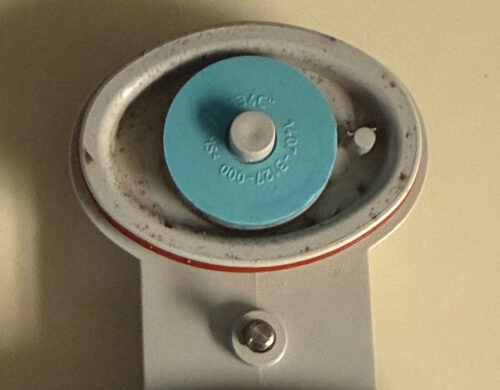
Sevoflurane (ULTANE) has been approved by the FDA as an inhalation anesthetic. Tandem with the FDA drug approval process was the development of new single-agent vaporizers for the safe delivery of sevoflurane. Three temperature compensated, pressure compensated, flow compensated sevoflurane vaporizers have been designed and manufactured:
The total liquid capacity, wick holding capacity, filling time, and drain time of the three vaporizers are similar. The output curves for sevoflurane for each of the three vaporizers with oxygen as the carrier gas (1 LPM to 15 LPM) through the vaporizer with the vaporizer dial settings from 0.2% to 8.0% shows the three vaporizers to be dependable and accurate. Delivered sevoflurane concentration was virtually independent of oxygen gas flow. The substitution of air as the carrier gas decreased the output approximately 4 to 5% below the dial concentration (e.g. dial set at 4.0%, output was 3.8%). Excellent accuracy was maintained for all three vaporizers in the middle flow ranges. The MAC for sevoflurane in humans is approximately 2%. Output concentrations in the range of MAC are consistent with dependable accurate delivery of the potent agent, sevoflurane.
The Penlon, Ohmeda, and North American Drager vaporizers for sevoflurane are very similar to the traditional vaporizers for halothane, enflurane, and isoflurane. External and internal components are similar in appearance and function. The same reliability can be expected with any of the three vaporizers as has been known from the vaporizers now in service for halothane, enflurane, and isoflurane.
Sevoflurane (CFH2-O-CH[CF3]2) is a new potent inhalation
anesthetic agent to be added to our armamentarium. Three single-agent vaporizers
allow us to safely deliver sevoflurane to our patients. Research in pharmacology
and technology have combined again to benefit the patient and the specialty
of anesthesia. Dr. Petty is Professor and Vice Chairman, Department of
Anesthesiology, Uniformed Services University of the Health Sciences, Bethesda,
MD.
Executive Committee
The opinions expressed in this newsletter are not necessarily those of the Anesthesia Patient Safety Foundation or its members or board of directors. Validity of opinions presented, drug dosages, accuracy and completeness of content are not guaranteed by the APSF.
APSF Executive Committee:
Ellison C. Pierce Jr., M.D., President; Burton A. Dole, Jr., Vice-President; David M. Gaba, M.D., Secretary; Casey D. Blitt, M.D., Treasurer; E.S Siker, M.D.; Executive Director; Robert C. Black; Robert A. Caplan, M.D.; Jeffrey B. Cooper, Ph.D.; Joachim S. Gravenstein, M.D.
Newsletter Editorial Board:
John H. Eichhorn, M.D., Editor; David E. Lees, M.D., Associate Editor; Stanley J. Aukburg, M.D., Jan Ehrenwerth, M.D., Ralph A. Epstein, M.D., Nancy Gondringer, C.R.N.A., Robert C. Morell, M.D. Jeffery S. Vender, M. D., Gerald L. Zeitlin, M.D.,
Editorial Assistant: Nola Gibson, Ph.D.
Address all general, membership, and subscription correspondence
to: Administrator
Anesthesia Patient Safety Foundation
c/o Mercy Hospital
1400 Locust Street
Pittsburgh, PA 15219
Address Newsletter editorial comments, questions, letters, and suggestions to:
John H. Eichhorn, M.D.
Editor, APSF Newsletter
Department of Anesthesiology
University of Mississippi Medical Center
2500 North State Street
Jackson, MS 39216-4505
Back to Table of Contents