


 PDF
PDF| Related Article: Hantavirus Awareness for Anesthesia and Critical Care Professionals |
TO THE EDITOR
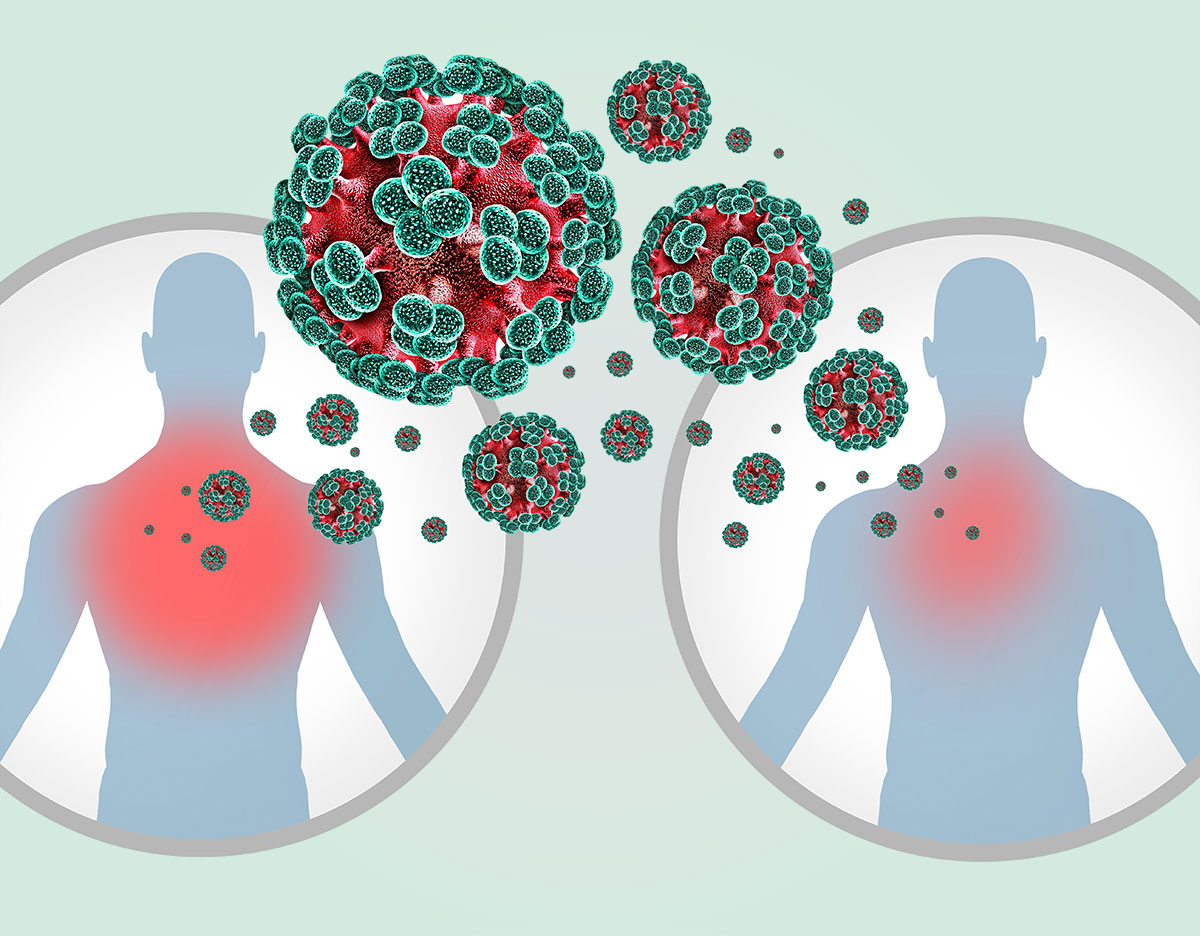 Recent reports of a hantavirus outbreak attributed to the Andes strain aboard a cruise ship sailing in the South Atlantic have produced worldwide concern. However, according to the World Health Organization (WHO), the risk of a pandemic-level threat to the global population is deemed low.1 As described in the recently published article, “Hantavirus Awareness for Anesthesia and Critical Care Professionals”, reasons for concern include the high case fatality rate, the prolonged incubation period, and the lack of an effective vaccine or specific treatment.2 What should be most worrisome, however, is that there remains uncertainty regarding transmission. Public health officials have sought to reassure the public by describing person-to-person transmission as rare, requiring prolonged and intimate contact with a symptomatic individual.3 This characterization may not be fully supported by the currently available evidence.
On May 7, 2026, the International Hantavirus Society published a statement seeking to clarify such pronouncements by highlighting the 2018-2019 Epuyén Outbreak in Argentina.2,4,5 During this outbreak of the Andes strain of hantavirus, an index patient with fever and malaise attended a birthday party for 90 minutes.5 Five guests who were seated near this index patient subsequently became infected. One of these infected guests secondarily infected six others and eventually died of hantavirus. At his wake, his spouse, who was symptomatic at the time of the wake, subsequently passed on the virus to 10 other attendees. In total, 33 patients were infected in this “super spreader” outbreak, of which 11 subsequently died. This raises important parallels to the current cruise ship outbreak, in which at least 11 confirmed cases have been documented.1 For many of these patients, the primary known exposures consisted of shared indoor environments such as dining rooms and lecture halls aboard the ship.
In addition to calling into question the notion that transmission requires both prolonged and close contact, the International Hantavirus Society statement also clarified that patients do not necessarily need to be clearly symptomatic to effectively transmit the virus. In a 2024 publication infective virus found in multiple body fluids, such as urine, saliva, and nasopharyngeal secretions were isolated, in the early stages of infection, even prior to the patient noticing symptoms.6 This raises concern for the potential of presymptomatic transmission.
While the above cases may not represent the typical trajectory of hantavirus transmission, these findings nevertheless demonstrate what is biologically and epidemiologically possible. Such cases may, in fact, prove to be the outliers rather than the norm. As anesthesia professionals, we are trained to practice with the outliers in mind. We routinely drill for the rare case of malignant hyperthermia. We perform a rapid-sequence induction on all patients with an unknown fasting history. For the safety of ourselves, our fellow healthcare workers, and the patients we care for, I fully agree with Charnin et al., who endorse using full airborne and contact precautions when caring for known or suspected Andes hantavirus patients.2 In addition to the infection control practices listed in their article, other sound advice from the ASA Committee on Occupational Health, Recommendations for Infection Control for the Practice of Anesthesiology include the following:7
- If manual or mechanical ventilation is necessary, then place a HEPA filter between the patient’s airway and the distal end of the disposable portion of the breathing circuit.
- Protect the anesthesia gas sampling port with HEPA filtration, or, at a minimum, scavenge the gases exiting the gas analyzer and do not allow the gases to return to the room air.
- If temporary disconnection from the breathing circuit is required, keep the HEPA filter attached to the patient’s airway.
- If a portable bag-valve-mask device is used, place the HEPA filter between the device and the patient’s airway to prevent room air contamination.
The International Hantavirus Society has stated that it does not anticipate this outbreak will result in a highly transmissible pandemic scenario.4 Given the multinational nature of this outbreak, however, with exposed passengers returning to their respective countries, including 18 to the United States, it is highly likely that some anesthesia professionals may be involved in caring for critically ill patients who may require intensive care, including mechanical ventilation, invasive hemodynamic monitoring, ECMO, and meticulous fluid and electrolyte management.2,3 While public health messaging seeks to reassure the lay public and prevent panic, healthcare professionals are best served by equipping themselves with the best available evidence and evolving scientific knowledge in order to make the safest and most informed clinical decisions possible.
Sincerely,
Brent Lee, MD, MPH, FASA
Brent Lee is the Director of Clinical Excellence and Performance Improvement at North American Partners in Anesthesia and is an Affiliated Scholar at Georgetown University/MedStar National Center for Health Security and Resilience.
Conflicts of Interest: Brent Lee serves on the American Society of Anesthesiologists Committee on Trauma and Emergency Preparedness and has previously served as an Epidemic Intelligence Service Officer at the Centers for Disease Control.
REFERENCES
- World Health Organization. Hantavirus cluster linked to cruise ship travel, multi-country. Disease Outbreak News. Published May 13, 2026. Accessed May 15, 2026. Available at: https://www.who.int/emergencies/disease-outbreak-news/item/2026-DON601
- Charnin JE, Wanta BT, Loftus RW. Hantavirus Awareness for Anesthesia and Critical Care Professionals. APSF Newsletter. 2026;41:e2026N014. https://doi.org/10.66881/apsf.2026N014
- US says 18 passengers flown back after hantavirus outbreak on ship. Published May 11, 2026. Accessed May 15, 2026. Available at: https://www.reuters.com/business/healthcare-pharmaceuticals/us-says-18-passengers-flown-back-after-hantavirus-outbreak-ship-2026-05-11/
- Maes P, Tischler N. Statement from the International Hantavirus Society and members of the international hantavirus research and clinical community regarding Andes virus transmission and the current outbreak investigation. International Hantavirus Society. Published May 12, 2026. Accessed May 13, 2026. Available at: https://zenodo.org/records/20134326
- Martinez VP, Di Paola N, Alonso DO, et al. “Super-Spreaders” and Person-to-Person Transmission of Andes Virus in Argentina. N Engl J Med. 2020;383(23):2230–2241. PMID: 33264545
- Ferrés M, Martínez-Valdebenito C, Henriquez C, et al. Viral shedding and viraemia of Andes virus during acute hantavirus infection: a prospective study. Lancet Infect Dis. 2024;24(7):775-782. Erratum in: Lancet Infect Dis. 2024;24(7):e419. PMID: 38582089
- American Society of Anesthesiologists Committee on Occupational Health. Recommendations for infection control for the practice of anesthesiology: preventing infectious transmission during anesthesia care. Published February 2024. Accessed May 15, 2026. Available at: https://www.asahq.org/about-asa/governance-and-committees/asa-committees/committee-on-occupational-health/recommendations-for-infection-control