

 Issue PDF


 PDF
PDFInadequate pain management during cesarean delivery is a significant patient safety concern that can lead to long-term psychological trauma, including PTSD. Effective management of intraoperative pain relies on standardized protocols, clear patient-provider communication, and the proactive use of general anesthesia when regional methods are insufficient.
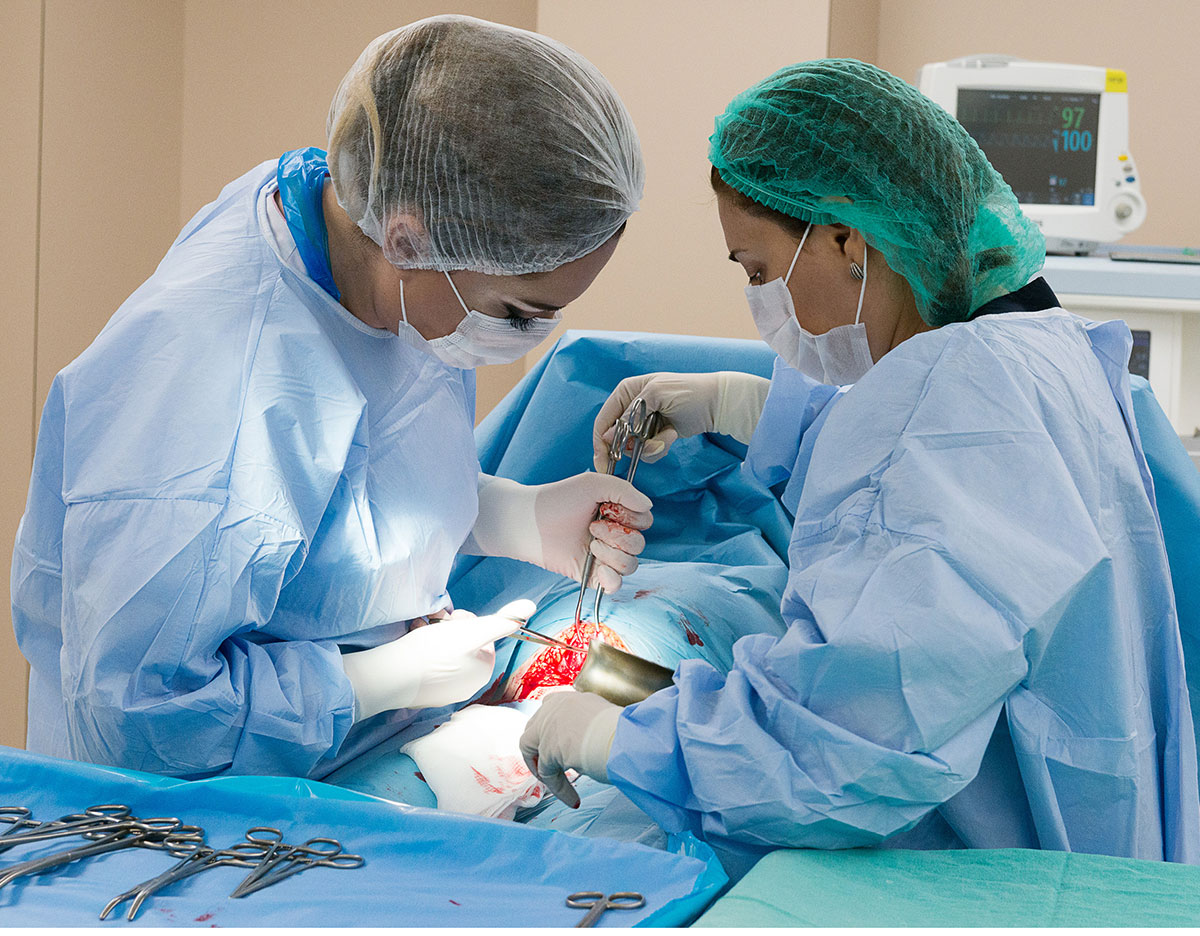 Pain during cesarean delivery (PDCD) has long been an underrecognized and undertreated aspect of obstetric anesthesia care that negatively impacts women’s experiences of birth. Although decades of medical research have sought to determine the optimal neuraxial techniques, ideal medication combinations, risk factors for failed spinal anesthesia, and risks for failed labor epidural conversion to surgical anesthesia, we have missed how inadequately addressed pain during cesarean delivery is a patient safety issue and has real and sometimes devastating consequences. Research now demonstrates that birth trauma, including PDCD, may lead to real short- and long-term psychological damage. Post-traumatic stress disorder (PTSD) may develop following physical or emotionally traumatic births. Other long-term consequences include postpartum depression, poor infant bonding, poor breast feeding, intimate partner relational dissatisfaction, and overall negative feelings about birth for new mothers.1-3 It is only by listening to patients, learning from their experiences, and encouraging clinician conversations that we can begin to address the problem.
THE SCOPE OF THE PROBLEM
The concept of inadequate surgical anesthesia for cesarean delivery is not new. In existing literature, the incidences of failed spinal, epidural, or neuraxial anesthesia vary widely depending on the variables used to define the term. For example, some studies capture the incidence of failed neuraxial anesthesia by measuring the rate of intraoperative conversion to general anesthesia or the need for neuraxial replacement, while others have more inclusive criteria including the administration of intravenous pain medications. Depending on the definitions used, the rates of neuraxial anesthesia failure range from 1% to 24%, with epidural anesthesia (especially conversion of labor analgesic catheters) having a higher failure rate than spinal anesthesia or combined spinal epidural anesthesia.4-6 However, these studies may underreport the incidence of PDCD as they rely on surrogate markers of pain. We have failed to capture PDCD that is not recognized by the anesthesia professional or is undertreated.
Little published data exists regarding patient-reported PDCD. A recently published systematic review and meta-analysis identified 34 publications for review that included patient-reported pain.7 Although there was significant variability in how the studies collected patient pain assessments, the overall pooled incidence of PDCD was 17% (spinal anesthesia 14% and labor epidural catheter conversion 33%). These results indicate that between 1 in 7 and 1 in 3 parturients undergoing cesarean delivery with neuraxial anesthesia will experience pain. This makes PDCD the most common anesthetic complication experienced by patients who have a cesarean delivery.
“THE RETRIEVALS”—LESSONS LEARNED FROM PATIENTS TO IMPROVE SAFETY
In July 2025, The New York Times and Serial Productions released its second season of the podcast “The Retrievals” by Susan Burton. This season focused completely on the problem of pain during cesarean delivery and its impact on patients by telling the stories of two patients, Clara and Susanna, and their consequential experiences with undertreated PDCD. In addition, the podcast shared anesthesia professional experiences and honest conversations about why PDCD happens.8 The podcast gave a voice to patients’ experiences of cesarean deliveries as well as to anesthesia professionals’ frustrations with this difficult challenge.
The patient and clinician stories are woven together to highlight why PDCD has been an accepted outcome and how bias, culture, fear, and poor communication promote the problem of PDCD. Here are some safety lessons we can learn from their stories and emerging literature on this important patient safety issue.
BIAS
Gender discrepancies in pain treatment are prevalent in health care with studies indicating women’s pain is less likely to be treated than men’s and more likely to be attributed to anxiety or emotional distress.9,10 This bias may ultimately lead to undertreated pain and the dismissal of distress.
This may be a common phenomenon. Two recent studies have highlighted that both anesthesia and obstetric professionals may misattribute a parturient’s reaction to pain as a manifestation of anxiety.11,12 Clinicians in these studies could not reliably recognize a patient’s experience of pain by observation alone, and this resulted in patients with pain not receiving pain medications and the overuse of anxiolytics.
Another bias we must confront in obstetric anesthesiology is clinician confidence that neuraxial blocks will reliably provide adequate pain relief during cesarean delivery. In Episode 2 of the podcast, Susanna discussed this very failure by her anesthetist and how it affected her: “I was lying on my back, looking up into the face of someone who was convinced that the block would be working. He was the expert, the person with authority.” This is a common theme among women who report intraoperative pain. Analysis of litigation claims related to PDCD clearly show that in 33% of claims the plaintiff indicated their anesthesia professional did not acknowledge or believe their pain, failed to accept the block was inadequate, or failed to offer general anesthesia in a timely manner.13
CULTURE
The safe culture emphasizes collaborative team practice to optimize patient outcomes. However, health care remains a hierarchical system in many settings. In the operating room, the anesthesia professional is responsible for the anesthetic management of the patient, and the the team often defers to their expertise. Patient safety, however, is everyone’s responsibility and safe systems encourage all clinicians to feel secure in respectfully challenging a clinical decision and expressing concerns.14,15
Culture may also extend into a unit’s shared expectations or language. The word “pressure” is often used by anesthesia professionals to describe the sensations a patient may feel during a cesarean delivery. However, the misuse or overuse of this word can be very harmful to patients as it may inadvertently rename a sensation that is painful to patients as something more innocuous. This word demonstrates how the culture of accepting patient pain and renaming it with the word “pressure” is possible.
FEAR OF COMPLICATIONS
In pregnancy, it has long been taught that neuraxial anesthesia is safer and more desirable than general anesthesia for cesarean delivery. This fear of complications is grounded in the historical context of concerns for maternal aspiration, failed airway with hypoxic injury, awareness under general anesthesia, increased postpartum hemorrhage, worse fetal outcomes, and poorer postoperative pain control.16,17 It is unsurprising that both obstetric and anesthesia professionals are fearful of general anesthesia. However, these are extremely rare complications given current practice and need to be balanced with the extremely common complication of PDCD and its mental health sequelae.17,18 We need to confront this dogma with current data to allow for better decision-making.
COMMUNICATION
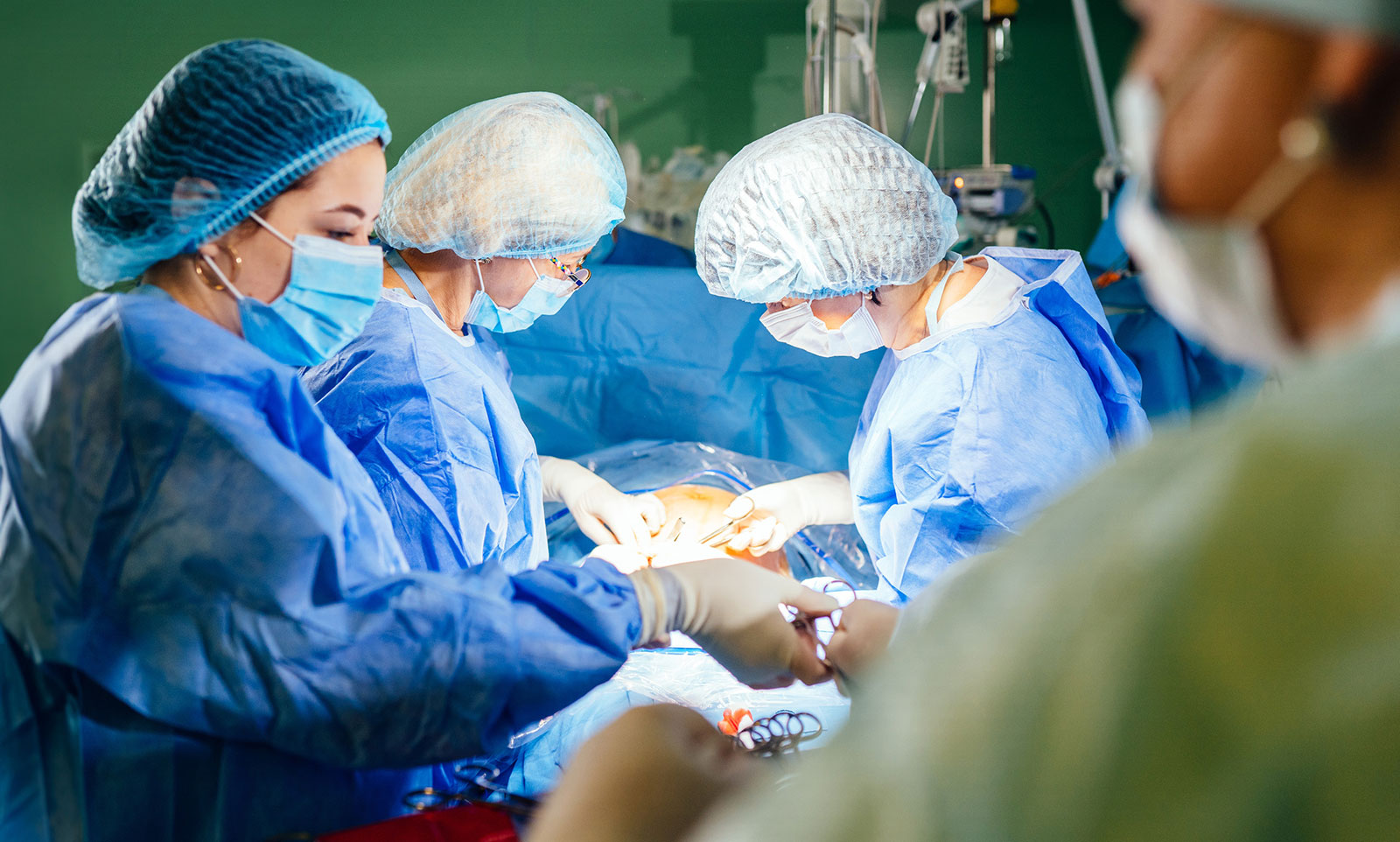
In “The Retrievals” Podcast, Susanna repeatedly notes how communication with her anesthesia professionals during her delivery and in the postpartum course negatively impacted her. The first miscommunication she notes is regarding testing her spinal block. She recalls she was not sure how to answer certain questions, and she felt pressured to give the right response despite feeling unsure. During her cesarean delivery, she noted she was embarrassed that she needed to ask to stop the surgery, and she believed she was experiencing more pain than was expected of her. While she was in pain, she remembers her anesthesia professional offering her general anesthesia, but Susanna noted the discussion was not framed in a way that presented general anesthesia as an appropriate choice; she had the impression that “she was expected to cope.” During her postpartum recovery care, Susanna attempted to express her emotional distress from her experience; however, her clinician dismissed her concerns by highlighting that she had a healthy baby and “that’s all that really matters.” Susanna’s voice should be a strong reminder that words matter. How we frame patient choices and how we validate experiences affect how patients are psychologically supported and may impact shared decision-making.
The concept of shared decision-making is an ethical framework that recognizes a patient’s personal priorities and values can and should impact their care. Communication that focuses solely on the fetal outcome may negatively impact shared decision-making and limit a full and unbiased presentation of treatment options. True shared decision-making may be hindered if a clinician wrongly assumed a patient would want to be awake for their cesarean delivery, would refuse supplemental medication that may impact their child or affect their memory, or would choose to prioritize their fetus over their own emotional well-being. Communication with subtle bias does not allow for an honest exchange of information or the expression of personal autonomy.
SOLUTIONS
Currently, no evidence-based or definitive guidelines exist regarding how to recognize or appropriately treat intraoperative pain during cesarean delivery. Several organizations, including the American Society of Anesthesiologists and the Obstetric Anesthetist Association (OAA), have published statements and guidelines to help anesthesia professionals navigate pain during cesarean delivery.19,20 Several other publications provide an organized approach to decrease PDCD and psychological harm for patients.21-23
It is time to start finding better ways to listen to our patients to get firsthand accounts of how health care professional biases and failures in communications lead to long-term consequences in patients’ mental health. We need to talk about this topic more freely, learn from our experiences and prioritize maternal mental health as well as medical health. Fear of complications does influence clinician decision-making, and misconceptions and misattributions have led to the widespread cultural normalization of pain during cesarean delivery, and how the medical culture has discouraged fully validating patients’ experiences.
Knowledge is power. Sharing these conversations and voices via a wide audience may impart a better understanding of the issues surrounding PDCD and add urgency to solving the problems. We may not be able to prevent all pain from occurring, but going forward, we can change the recognition, experience, and treatment of pain to improve the childbirth experience for millions of patients.
WHAT CAN WE LEARN FROM THE PATIENT AND CLINICIAN VOICES?
- Clinicians who care for obstetric patients must confront personal and systemic biases that impede the recognition and management of intraoperative pain.
- Tools are needed to foster communication between patients and anesthesia professionals about the high risk of PDCD, the treatments available, and the risks associated with treatment.
- Techniques should be in place to reliably test neuraxial blocks prior to beginning surgery.
- Identify PDCD via objective criteria (such as intraoperative pain scores), and escalate care via shared decision-making.
- When patient pain is identified, the entire delivery team should prioritize treatment by stopping the surgery (if possible), optimizing neuraxial anesthesia, utilizing adjuncts, allowing time for treatment, and possibly converting to general anesthesia based on the clinical situation and patient preferences.
- Systems should be in place to safely perform general anesthesia during cesarean deliveries including the availability of video laryngoscopes, supraglottic airway devices, and trained staff who can assist anesthesiology professionals with intubation. Trained newborn resuscitation teams should be available. Evidence-based protocols to minimize maternal complications like postpartum hemorrhage and awareness under anesthesia should be in place.
- Patients should be encouraged to speak up about their concerns, questions, fears, and past experiences. Anesthesia professionals should encourage those conversations.
Heather C. Nixon, MD, is a professor of anesthesiology at the University of Illinois at Chicago, Chicago, IL
Rachel Waldinger, MD, MPH, is an assistant professor of anesthesiology at the University of Illinois at Chicago, Chicago, IL
Nakia Hunter, MD, is an associate professor of anesthesiology at the University of Illinois at Chicago, Chicago, IL
The authors report no conflicts of interest.
REFERENCES
- Froeliger A, Deneux-Tharaux C, Loussert L, et al. Prevalence and risk factors for postpartum depression 2 months after cesarean delivery: a prospective multicenter study. Am J Obstet Gynecol. 2025;232:491.e1–491.e11. PMID: 39481774
- Garthus-Niegel S, Horsch A, Handtke E, et al. The impact of postpartum posttraumatic stress and depression symptoms on couples’ relationship satisfaction: a population-based prospective study. Front Psychol. 2018;9:1728. PMID: 30283380
- Statement on providing psychological support for obstetric patients. 2024. https://www.asahq.org/standards-and-practice-parameters/statement-on-providing-psychological-
support-for-obstetric-patients Accessed December 4, 2025. - Girard T, Savoldelli GL. Failed spinal anesthesia for cesarean delivery: prevention, identification and management. Curr Opin Anaesthesiol. 2024;37:207–212. PMID: 38362822
- Kinsella SM. A prospective audit of regional anaesthesia failure in 5080 caesarean sections. Anaesthesia. 2008;63:822–832. PMID: 18547291
- Patel R, Kua J, Sharawi N, et al. Inadequate neuraxial anaesthesia in patients undergoing elective caesarean section: a systematic review. Anaesthesia. 2022;77:598–604. PMID: 35064923
- Charles EA, Carter H, Stanford S, et al. Intraoperative pain during cesarean delivery under neuraxial anesthesia: a systematic review and meta-analysis. Anesthesiology. 2025;143:156–167. PMID: 40184602
- Burton S. The Retrievals Season 2: The C-section. https://www.nytimes.com/article/serial-the-retrievals.html Accessed December 4, 2025.
- Guzikevits M, Gordon-Hecker T, Rekhtman D, et al. Sex bias in pain management decisions. Proc Natl Acad Sci U S A. 2024;121:e2401331121. PMID: 39102546
- Samulowitz A, Gremyr I, Eriksson E, Hensing G. “Brave men” and “emotional women”: a theory-guided literature review on gender bias in health care and gendered norms towards patients with chronic pain. Pain Res Manag. 2018;2018:6358624. PMID: 29682130
- Orbach-Zinger S, Olliges E, Garren A, et al. Patient/anesthesiologist intersubjective experiences and intravenous supplementation during elective cesarean delivery: a prospective patient-reported outcome study. J Clin Anesth. 2025;100:111689. PMID: 39608097
- Keltz A, Heesen P, Katz D, et al. Intraoperative pain during caesarean delivery: Incidence, risk factors and physician perception. Eur J Pain. 2022;26:219–226. PMID: 34448323
- McCombe K, Bogod DG. Learning from the law. a review of 21 years of litigation for pain during caesarean section. Anaesthesia. 2018;73:223–230. PMID: 29090735
- Okuyama A, Wagner C, Bijnen B. Speaking up for patient safety by hospital-based health care professionals: a literature review. BMC Health Serv Res. 2014;14:61. PMID: 24507747
- Rudolph JW, Pian-Smith MCM, Minehart RD. Setting the stage for speaking up: psychological safety and directing care in acute care collaboration. Br J Anaesth. 2022;128:3–7. PMID: 34776122
- Pandit JJ, Andrade J, Bogod DG, et al. 5th National Audit Project (NAP5) on accidental awareness during general anaesthesia: summary of main findings and risk factors. Br J Anaesth. 2014;113:549–559. PMID: 25204697
- Reale SC, Bauer ME, Klumpner TT, et al. Frequency and risk factors for difficult intubation in women undergoing general anesthesia for cesarean delivery: a multicenter retrospective cohort analysis. Anesthesiology. 2022;136:697–708. PMID: 35188971
- Langer S, Lim G, Qiu Y, et al. Neonatal outcomes with regional versus general anesthesia for cesarean delivery: a meta-analysis of randomized controlled trials. Anesthesiology. 2025. Epub ahead of print. PMID: 41051355.
- Plaat F, Stanford SER, Lucas DN, et al. Prevention and management of intra-operative pain during caesarean section under neuraxial anaesthesia: a technical and interpersonal approach. Anaesthesia. 2022;77:588–597. PMID: 35325933
- Statement on the use of adjuvant medications and management of intraoperative pain during cesarean delivery. 2024. https://www.asahq.org/standards-and-practice-parameters/statement-on-the-use-of-adjuvant-
medications-and-management-of-intraoperative-pain-during-cesarean-delivery Accessed December 4, 2025. - Orbach-Zinger S, Binyamin Y. Prevention and management of intraoperative pain during caesarean section. BJA Educ. 2025;25:50–56. PMID: 39897426
- Sharpe EE, Landau R. Pain during cesarean delivery: risk factors, mitigation, and current approaches. Curr Opin Anaesthesiol. 2025;38:169–178. PMID: 40162544
- Landau R, Sultan P. Neuraxial anesthesia and pain management for cesarean delivery. Am J Obstet Gynecol. 2025; PMID: 40888444