

 Issue PDF


 PDF
PDFAs cannabis use becomes more prevalent, anesthesia professionals must account for its significant physiological effects, including altered drug metabolism, airway hyperreactivity, and increased postoperative pain. Routine preoperative screening and individualized anesthetic planning is recommended to mitigate risks such as cardiovascular instability and unpredictable sedative requirements.
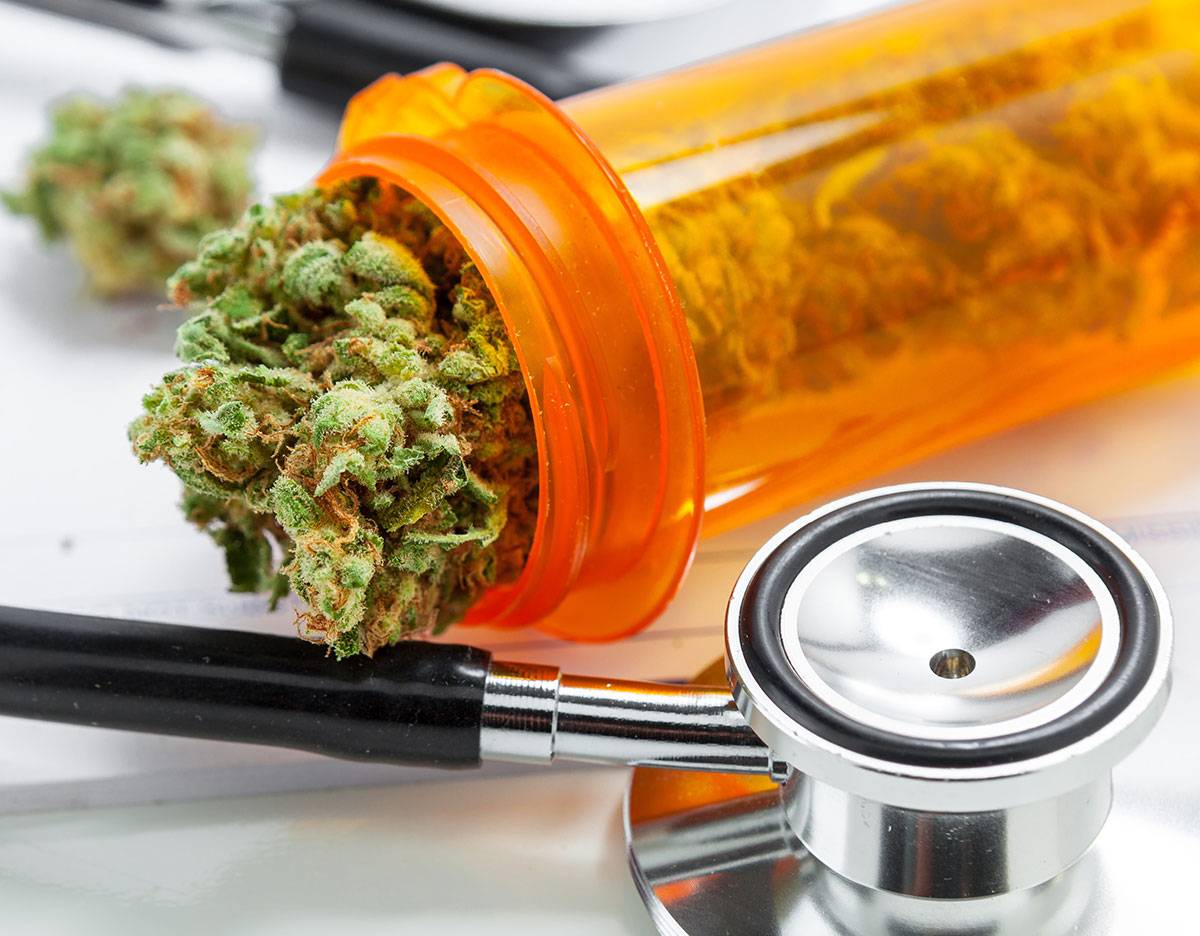 In recent years, adult cannabis use in the United States has increased appreciably with the concurrent expansion of state legalization. As of mid-2025, medical cannabis is authorized in 40 states as well as the District of Columbia and several U.S. territories, and recreational adult use is legal in 24 states and the District of Columbia.1 Given the rising prevalence of cannabis consumption, anesthesia professionals must remain cognizant of the systemic effects of cannabis in the perioperative setting. Current evidence suggests that cannabis use may alter anesthetic drug requirements, and may influence cardiovascular physiology and postoperative pain responses.2-5 Comprehensive preoperative screening and individualized anesthetic management are, therefore, warranted in patients who use cannabis. In 2023, we released an article that discussed the perioperative considerations of cannabis use on anesthesia administration.6 Given the abundance of new research and information available on this topic, an update is necessary.
PHARMACOLOGICAL CONSIDERATIONS
The most commonly known botanical cannabinoids are the phytocannabinoids tetrahydrocannabinol (THC) and cannabidiol (CBD).7,8 THC is the principal psychoactive compound found in the Cannabis sativa plant (C. sativa). CBD is also an active cannabinoid; however, it is not mind-altering. While there are other species of the cannabis plant, C. sativa is typically one of the most commonly occurring subspecies.7-9 The plant itself has a complex pharmacology with numerous other cannabinoids and phytocannabinoids, although not all have been thoroughly studied to determine how they interact within the body and other pharmacological properties.7-10
Cannabinoids bind to specific receptors in the body known as cannabinoid receptors. There are two receptors: cannabinoid receptor type 1 (CB1) and type 2 (CB2). The receptors are part of the endocannabinoid system (ECS) and located throughout the body and brain.8,11,12 The ECS plays a role in regulating learning and memory, emotional processing, sleep, temperature control, pain control, inflammatory and immune responses, and appetite.12,13 CB1 is involved with the nervous system, motor function, memory, analgesia and others. The CB2 receptors have a role in anti-inflammatory and pro-inflammatory reactions.8,11,12 Endogenous endocannabinoid stimulation of CB1 receptors does not cause the level of euphoria normally seen with THC/marijuana.12-15 Additionally, there is a rapid breakdown of endocannabinoids by enzymes. Some researchers postulate that the blissful and well-being feeling some individuals have when running (runner’s high) may result from the release of endocannabinoids rather than from endorphins.13
Phytocannabinoids have been shown to be partial agonists, full agonists, or antagonists, at the cannabinoid receptors.11,15 Down regulation of CB receptors can potentially occur with THC, acting as a partial agonist, and can facilitate tolerance and decreased effects.14-18 Therapeutic actions of THC and CBD include analgesic, anti-emetic, anti-inflammatory, antiseizure, and neuroprotective effects. The method of cannabis use is an important determinant of its effects and plasma levels. Inhaling or smoking cannabis will result in THC being detectable in the plasma within seconds of inhalation. Following a 5–7-minute smoking episode with the equivalent of 10–15 mg of THC, the peak plasma levels will be 100 µg/L. After use of the drug, metabolites will appear in the urine and feces as glucuronide conjugates. Some metabolites can be found in the urine for up to 2 weeks.14,15,19,20
Individuals with acute intoxication from THC and/or THC/CBD extracts may have increased disinhibition, impaired memory, and other impairments in learning, attention, attentional bias, and psychomotor function.21 Adverse effects of cannabinoids can range from mild to severe depending on the concentration, route of administration, and prior exposure to the drugs. The effects may involve euphoria, anxiolysis, tachycardia, sensory amplification, postural hypotension, conjunctivitis, hunger, and dry throat, mouth, and eyes. Serious symptoms can include panic attacks, myoclonus, psychosis, hyperemesis, hypertension, tremors, seizures, inhalation burns, hallucinations, unconsciousness, acute respiratory distress syndrome, and bronchospasm.11,14,15 Some adverse reactions can have ongoing or long-term effects even after discontinuing the substance.15,16,19,20
Although THC has less metabolic drug-drug interaction potential than CBD, it does have more pharmacodynamic potential for interactions. There is a paucity of studies on actual drug interactions with THC and many of the considerations are theoretical based on the known actions of THC in the body. THC has wide pharmacological action, which can increase the likelihood of drug-drug interactions (DDI). These interactions can involve absorption, metabolism, excretion, or pharmacodynamic effects. The action of THC can be intensified or dampened by some prescription drugs. Additionally, some drugs may have their pharmacological action (including side effects) affected by THC.14,15 For example, numerous prescription medications can produce adverse drug reactions when used with cannabinoids. The most common drugs to cause serious DDIs with cannabis/cannabinoids are warfarin, valproate, tacrolimus, and sirolimus. Adverse events such as bleeding, altered mental status, higher anesthetic requirement, and gastrointestinal distress have been reported.21 There is a free online tool (www.CANN-DIR.psu.edu) to help clinicians determine possible cannabinoid DDI with common prescription medications.22
CYP inhibitors may also increase the bioavailability of THC and therefore increase either desired or unwanted effects. Conversely, CYP inducers may decrease the effects of THC (Table 1).
Table 1: Medications that May Alter the Bioavailability of THC.14,15
| CYP3A4 Inhibitors | CYP2C9 Inhibitors |
|
|
| CYP3A4 Inducers | CYP2C9 Inducers |
|
|
PREOPERATIVE CONSIDERATIONS
Patients who use cannabis warrant particular preoperative evaluation to ensure safe administration of anesthesia (Table 2). A thorough medical history should document the type and composition of cannabis products, route and frequency of use, usual dose, any adverse reactions, time since last use, whether symptoms emerge if a dose is missed, as well as concomitant use of alcohol, opioids, or sedatives.10,11,23-25 This information helps identify cardiovascular and respiratory risks, possible withdrawal, delayed gastric emptying from THC, and anesthetic challenges during intoxication.24,25 Evidence indicates that cannabis use is linked to higher rates of perioperative complications, including cardiopulmonary events and wound-related issues.10,11 However, currently there are no strong, evidence-based guidelines on how long prior to surgery patients should discontinue using cannabis products.
Table 2: Summary of Perioperative Anesthetic Considerations for Cannabis Users.
| Considerations | Recommendations | References |
| Preoperative | ||
| Solicit history of cannabis use |
|
10, 11, 23, 24, 25 |
| Be aware of acute intoxication |
|
3, 24, 25, 26 |
| Intraoperative | ||
| Higher anesthetic requirement |
|
27, 28, 29, 30, 31, 32, 33 |
| Possible drug-drug interactions |
|
14, 15, 21, 34 |
| Cardiopulmonary complications |
|
6, 23, 37 |
| Postoperative | ||
| Analgesic requirements and pain scores |
|
35, 36 |
| Monitor for signs of withdrawal |
|
6, 37 |
| Considerations | Recommendations |
| Preoperative | |
| Solicit history of cannabis use |
References: 10, 11, 23, 24, 25 |
| Be aware of acute intoxication |
References: 3, 24, 25, 26 |
| Intraoperative | |
| Higher anesthetic requirement |
References: 27, 28, 29, 30, 31, 32, 33 |
| Possible drug-drug interactions |
References: 14, 15, 21, 34 |
| Cardiopulmonary complications |
References: 6, 23, 37 |
| Postoperative | |
| Analgesic requirements and pain scores |
References: 35, 36 |
| Monitor for signs of withdrawal |
References: 6, 37 |
Acute cannabis intoxication represents the most significant anesthetic risk and can precipitate emergence agitation or hemodynamic instability.24,25 Patients demonstrating symptoms such as anxiety, paranoia, or psychosis should have elective procedures postponed until they are clinically sober. Cannabis use shortly before surgery may transiently increase myocardial infarction risk, particularly in patients with coronary disease. In these cases, elective procedures should be delayed and may warrant further workup for symptomatic or high-risk individuals.24-27 Preoperative counseling should address temporary cessation of cannabis, document use in the medical record, and consider implications for postoperative analgesic management.
INTRAOPERATIVE CONSIDERATIONS
Evidence guiding intraoperative anesthetic management for patients who use cannabis is limited. Recent studies suggest chronic cannabis exposure can alter anesthetic drug requirements. Regular cannabis users can require higher doses of propofol for induction or procedural sedation.27,28 Anesthesia professionals should carefully titrate medications and monitor for exaggerated cardiovascular or airway responses.
Increased requirements for intravenous anesthetics, particularly propofol, among cannabis users during general anesthesia and sedation have been demonstrated in two meta-analyses—one including 8 studies with 2,268 patients,27 and another encompassing 11 studies with 4,199 patients.28 Similarly, increased requirements for inhalational anesthetic agents among cannabis users have been reported in two retrospective studies.29,30 Consistent with these findings, recent observational reviews suggest that cannabis users may require higher doses of both intravenous and volatile anesthetic agents.31,32 Moreover, a recent prospective study reported that marijuana users required significantly higher doses of sedative agents, including fentanyl, midazolam, and propofol.33
Given the inhibitory effects of cannabinoids on cytochrome P450 enzymes and possible interactions with sympathomimetics or beta-blockers, anesthesia professionals should exercise caution when administering vasoactive agents in cannabis users.34 Intraoperative vigilance is necessary for detecting hemodynamic instability, myocardial ischemia, or cerebrovascular events. Moreover, patients who inhale cannabis may exhibit airway hyperreactivity, which can increase the risk of bronchospasm or exaggerated airway responses.
Although the evidence remains preliminary, anesthetic management plans for cannabis users should anticipate the possibility of increased medication requirements, and the need to titrate dosing carefully to effect and to maintain heightened monitoring for cardiovascular or airway complications. Additional high-quality studies are needed to confirm these associations and guide formal clinical recommendations.
POSTOPERATIVE CONSIDERATIONS
In the postoperative period, cannabis use has been linked to higher postoperative opioid consumption and increased pain scores compared with nonusers. In a large multicenter cohort study, cannabis users demonstrated an increase in postoperative opioid consumption (95% CI 1.22–1.38), along with a mean increase of 0.57 points in time-weighted average pain scores, compared to nonusers.35 These findings underscore the importance of multimodal analgesia strategies in this population.36
Withdrawal is another important consideration for patients who frequently use cannabis. Withdrawal onset typically occurs within 1 to 2 days after last use and can persist for 1 to 2 weeks, with symptoms such as irritability, sleep disturbances, nausea, and anxiety.6,37 Historically, postoperative hypothermia and shivering have been observed among cannabis users, likely mediated by CB1 receptor activity rather than withdrawal effects.6,37
CONCLUSION
The expansion of medical and recreational cannabis use has created challenges for perioperative care. Emerging evidence from the past year highlights the influence that cannabis use may have on anesthetic requirements, such as higher doses of hypnotic and volatile agents. Cannabis can also alter pharmacokinetics through cytochrome P450 interactions, which may contribute to an increase in postoperative analgesic needs. Preoperative evaluation should screen for cannabis use and assess cardiovascular, respiratory, and withdrawal risks. Intraoperative management requires individualized dosing, vigilant monitoring, and preparation for possible hemodynamic or airway complications. Postoperatively, clinicians must anticipate elevated analgesic requirements and should monitor for withdrawal symptoms. As cannabis use continues to rise and new research is conducted, anesthesia professionals must stay informed of new data to optimize perioperative safety and patient care.
Dylan Irvine, DO, is a second-year anesthesiology resident at HCA Florida Westside Hospital, Plantation, FL
Tricia A. Meyer, PharmD, MS, is a member of APSF Committee on Education and Training, co-chair of the APSF Patient Safety Priority Advisory Group on Medication Safety, and an adjunct professor in anesthesiology, Texas A&M College of Medicine, Temple, TX
Imani Thornton, MD, FASA, is an anesthesiologist and program director at HCA Florida Westside Hospital, Plantation, FL
Jeffrey Huang, MD, MS, FASA, is co-chair of the APSF Patient Safety Priority Advisory Group on Brain Health, a member of APSF Committee on Education and Training, a senior member of anesthesiology & critical care at the Moffitt Cancer Center, and a professor of oncological science at the University of South Florida, FL
The authors report no conflicts of interest.
REFERENCES
- National Conference of State Legislatures. State medical and recreational cannabis laws. June 27, 20 25. Available at https://www.ncsl.org/health/state-medical-cannabis-laws Accessed December 4, 2025.
- Sajdeya R, Treggiari MM, Narouze S. Review of cannabis use and propofol anesthesia: recent insights and clinical implications. Curr Opin Anaesthesiol. 2025;38:660–668. PMID: 40583839
- Echeverria-Villalobos M, Guevara Y, Mitchell J, et al. Potential perioperative cardiovascular outcomes in cannabis/cannabinoid users. A call for caution. Front Cardiovasc Med. 2024;11:1343549. PMID: 38978789
- Yang G, Li F, Wang Q, et al. Association between history of cannabis use and outcomes after total hip or knee arthroplasty: a systematic review and meta-analysis. Front Public Health. 2024;12:1377688. PMID: 38827608
- Horvath B, Saadat H, Kloesel B. Cannabis hyperemesis syndrome: perioperative concern with potential paradoxical response to propofol. Anesth Analg. 2024;138:e38–e39. PMID: 38771607
- Irvine D. Perioperative considerations of cannabis use on anesthesia administration. APSF Newsletter. 2022;37:67–69. https://www.apsf.org/article/perioperative-considerations-of-cannabis-use-on-anesthesia-administration/ Accessed December 1, 2025.
- National Institute on Drug Abuse. Cannabis (marijuana). September 2024. Available at https://nida.nih.gov/research-topics/cannabis-marijuana Accessed February 29, 2025.
- Cavalli J, Dutra RC. A closer look at cannabimimetic terpenes, polyphenols, and flavonoids: a promising road forward. Neural Regen Res. 2021;16:1433–1435. PMID: 33318442
- Elsevier.Cannabis.drug Monograph.Clinicalkey.Jan. 22,2025. Available at https://www-clinicalkey-com.srv-proxy1.library.tamu.edu/#!/content/drug_monograph/6-s2.0-3716 Accessed on March 3, 2025.
- Pintori N, Caria F, De Luca MA, Miliano C. THC and CBD: villain versus hero? Insights into adolescent exposure. Int J Mol Sci. 2023;24:5251. PMID: 36982327
- Grinspoon P. The endocannabinoids system: essential and mysterious. Harvard Medical School. Harvard Health Publishing. August 11, 2021. Available at https://www.health.harvard.edu/blog/the-endocannabinoid-system-essential-and-mysterious-202108112569. Accessed March 1, 2025.
- Nagarkatti P, Nagarkatti M. People produce endocannabinoids similar to compounds found in marijuana that are critical to many bodily functions. University of South Carolina. February 22, 2023. Available at https://sc.edu/uofsc/posts/2023/02/conversation_marijuana.php. Accessed February 21, 2025.
- Brown JD, Rivera Rivera, KJ, Hernandez LYC, , et al. Natural and synthetic cannabinoids: pharmacology, uses, adverse drug events, and drug interactions. J Clin Pharmacol. 2021;61: S37–S52. PMID: 34396558
- Brown JD. Potential adverse drug events with tetrahydrocannabinol (THC) due to drug–drug interactions. J Clin Med. 2020; 9:919. PMID: 32230864
- Taylor BN, Mueller M, Sauls RS. Cannabinoid antiemetic therapy. [Updated 2023 Aug 14]. In: StatPearls [Internet]. Treasure Island (FL): StatPearls Publishing; 2025 Jan-. Available at https://www.ncbi.nlm.nih.gov/books/NBK535430/ Accessed on February 24, 2025.
- Sheikh NK, Dua A. Cannabinoids. [Updated 2023 Feb 27]. In: StatPearls [Internet]. Treasure Island (FL). StatPearls Publishing; 2025 Jan-. Available at https://www.ncbi.nlm.nih.gov/books/NBK556062/ Accessed on March 1, 2025.
- Shahbazi, F, Grandi V, Banerjee A, Trant JF. Cannabinoids and cannabinoid receptors: the story so far. Science. 2020:23;101301:1–22. PMID: 32629422
- Filipiuc LE, Ababei DC, Alexa-Stratulat T, et al. Major phytocannabinoids and their related compounds: should we only search for drugs that act on cannabinoid receptors? Pharmaceutics. 2021 Nov 1;13:1823. PMID: 34834237
- European Union Drug Agency. Drug Profile. Cannabis drug profile. Available at https://www.euda.europa.eu/publications/drug-profiles/cannabis_en Accessed on March 2, 2025.
- Dellazizzo L, Potvin S, Giguère S, Dumais A. Evidence on the acute and residual neurocognitive effects of cannabis use in adolescents and adults: a systematic meta-review of meta-analyses. Addiction. 2022;117:1857–1870. PMID: 35048456
- Nachnani R, Knehans A, Neighbors JD, et al. Systematic review of drug/drug interactions of delta-9- tetrahydrocannabinol, cannabidiol, and cannabis. Front Pharmacol. 2004;15:1282831. PMID: 38868665
- CANNabinoid Drug Interaction Review. Penn State College of Medicine Online Tool. Available at: https://cann-dir.psu.edu/ Accessed December 4, 2025.
- Lee BH, Sideris A, Ladha KS, et al. Cannabis and cannabinoids in the perioperative period. Anesth Analg. 2024;138:16–30. PMID: 35551150
- Potnuru PP, Jonna S, Williams GW 2nd. Cannabis use disorder and perioperative complications. JAMA Surg. 2023;15:935–944. PMID: 37405729
- Munir MM, Woldesenbet S, Endo Y, Dillhoff M, Pawlik TM. Cannabis use disorder and perioperative outcomes following complex cancer surgery. J Surg Oncol. 2024;129:1430–1441. PMID: 38606521
- Jeffers AM, Glantz S, Byers AL, Keyhani S. Association of cannabis use with cardiovascular outcomes among US adults. J Am Heart Assoc. 2024;13:e030178. PMID: 38415581
- Baker MB, Binda DD, Nozari A, et al. Quantitative analysis of propofol dosage in cannabis users: a systematic review and meta-analysis. J Clin Med. 2025;14:858. PMID: 39941531
- Bornemann-Cimenti H, Lang-Illievich K, Neuwersch-Sommeregger S, et al. Effect of cannabinoid consumption on propofol dosage: a systematic review and meta-analysis. Br J Anaesth. 2025;134:875–878. PMID: 39855936
- Sajdeya R, Rouhizadeh M, Cook RL, et al. Cannabis use and inhalational anesthesia administration in older adults: a propensity-matched retrospective cohort study. Anesthesiology. 2024;141:870–880. PMID: 38980341
- Holmen IC, Beach JP, Kaizer AM, Gumidyala R. The association between preoperative cannabis use and intraoperative inhaled anesthetic consumption: a retrospective study. J Clin Anesth. 2020;67:109980. PMID: 32653758
- Echeverria-Villalobos M, Fabian CA, Mitchell JG, et al. Cannabinoids and general anesthetics: revisiting molecular mechanisms of their pharmacological interactions. Anesth Analg. 2025;140:1401–1413. PMID: 39504269
- Sajdeya R, Rouhizadeh M, Cook RL, et al. Cannabis use and inhalational anesthesia administration in older adults: a propensity-matched retrospective cohort study. Anesthesiology. 2024;141:870–880. PMID: 38980341
- Kosirog J, Bouvette C, Pannu J, Gondal J, Madhoun M. Marijuana and endoscopy: the effects of marijuana on sedation. Gastrointest Endosc. 2024;100:177–182. PMID: 38215858
- Scheuermann M, Hans G, Wildemeersch D. Perioperative management of the patient on cannabis and cannabinoids: a review. J Perioper Pract. 2025;35:456–462. PMID: 39985406
- Ekrami E, Sari S, Kopac O, et al. Association between cannabis use and opioid consumption, pain, and respiratory complications after surgery: a retrospective cohort analysis. Anesth Analg. 2024;139:724–733. PMID: 38190341
- González Cárdenas VH, Valdivieso Díaz M, Mateus Almeciga CF, et al. Cannabinoids for acute postoperative pain management: a systematic review and meta-analysis of clinical trials. Eur J Pain. 2025;29:e4790. PMID: 39878042
- Ladha KS, Manoo V, Virji AF, et al. The impact of perioperative cannabis use: a narrative scoping review. Cannabis Cannabinoid Res. 2019;4:219–230. PMID: 31872058