

APSF News & Updates

Watch the 2026 APSF Stoelting Conference Livestream “SOS!: Signals of Safety… Safely across the Patient’s Perioperative Journey”
September 9, 2026
Join APSF in Transforming Anesthesia Care Across the Perioperative Journey…

Announcing the 2026 APSF Trainee Quality Improvement/Patient Safety (TQI/PS) Recognition Program Award Winners
September 9, 2026
The APSF is pleased to announce the 2026 APSF Trainee Quality Improvement/Patient Safety (TQI/PS) Recognition Program Award Winners.

Benchmarking Large Language Model Performance in Perioperative Crisis Responses
August 31, 2026
Artificial intelligence (AI) systems, including large language models (LLMs) such as OpenAI’s GPT series and Meta’s Llama series, have gained currency in many fields, including anesthesiology. LLMs are trained on…
Indexed Delivery of Oxygen Predicts In-hospital Mortality and Morbidity in Reoperative Adult Cardiac Surgery Patients: A Retrospective Cohort Study
August 24, 2026
Cardiac surgery is associated with a high risk of mortality, particularly in complex or redo operations. During cardiopulmonary bypass, tissue perfusion and oxygenation are dependent on extracorporeal oxygenation systems (bypass…
Anesthesiology Organizations Express Concern for Patients Harmed, Reaffirm Safety of Spinal Anesthesia
August 21, 2026
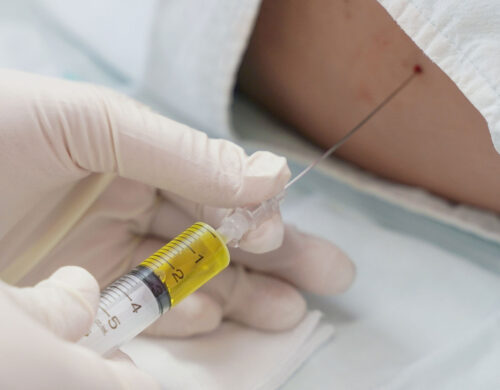
In response to reported medication errors that harmed patients in Nashville, Tennessee, the Society for Obstetric Anesthesia and Perinatology (SOAP), the Anesthesia Patient Safety Foundation (APSF) and the American Society of Anesthesiologists (ASA) today reaffirmed that spinal anesthesia remains a safe and essential anesthetic technique when administered with appropriate medication.
Routine Preoperative Cognitive Assessment to Improve Brain Health in Older Surgical Patients: Insights From an Anesthesia Patient Safety Foundation Survey
July 20, 2026
Cognitive impairment is common in older surgical patients, affecting an estimated 37%–50% of this population. Despite its prevalence, cognitive impairment is frequently unrecognized and increases the risk of perioperative neurocognitive…