
Presented September 4, 2025 at the 2025 APSF Stoelting Conference on “Transforming Maternal Care: Innovations and Collaborations to Reduce Morbidity and Mortality”

SUMMARY
Yasuko Nagasaka, MD, PhD’s presentation addressed maternal mental health and pediatric neuroprotection, reflecting the interconnectedness of care for mothers and infants. The research highlighted unique challenges in Japan, including high maternal suicide rates and low labor epidural provision, alongside a novel approach to minimizing anesthetic exposure in young children.
Key Points:
- Suicide as a Leading Cause of Maternal Death
Suicide has become one of the leading causes of maternal mortality in Japan, accounting for as much as 23% of all maternal deaths in 2022, underscoring the critical issue of postpartum depression (PPD) [03:29, 03:40]. - Relationship between Epidurals and PPD
A Japanese single-center, prospective observational cohort study found that women who received labor epidurals may have a higher risk of depression at one month postpartum [06:46]. This association was strongly correlated with high antenatal EPDS scores, which were found to be predictive of PPD risk [06:55]. - Unique Study Context
Japan’s national labor epidural rate remains low (11.6% in 2023), providing a pure non-analgesic control group that is difficult to find in Western studies, which are often confounded by non-epidural analgesia methods [02:16, 03:03]. - Reducing Emergence Delirium (PAED)
A randomized controlled trial (RCT) involving children aged 1–6 years demonstrated that EEG-guided titration of sevoflurane (aimed at specific delta/alpha waveforms) significantly reduced the incidence of PAED [18:52, 19:16]. - Reduced Anesthetic Exposure and Efficiency
The EEG-guided approach resulted in patients being exposed to less than half the amount of sevoflurane compared to standard fixed-concentration practice [19:23, 19:31]. This reduction in exposure led to faster emergence (25 minutes faster) and a shorter PACU stay (discharge 20 minutes earlier) [19:41]. - Importance of Skill vs. Indices
The successful reduction of PAED was achieved by anesthesiologists learning how to read the raw pediatric EEG signals [20:20, 20:30]. This finding contrasts with prior negative studies that relied solely on processed index numbers (e.g., BIS) which failed to show a PAED reduction [14:30, 15:25].
ABOUT THE SPEAKER(S)
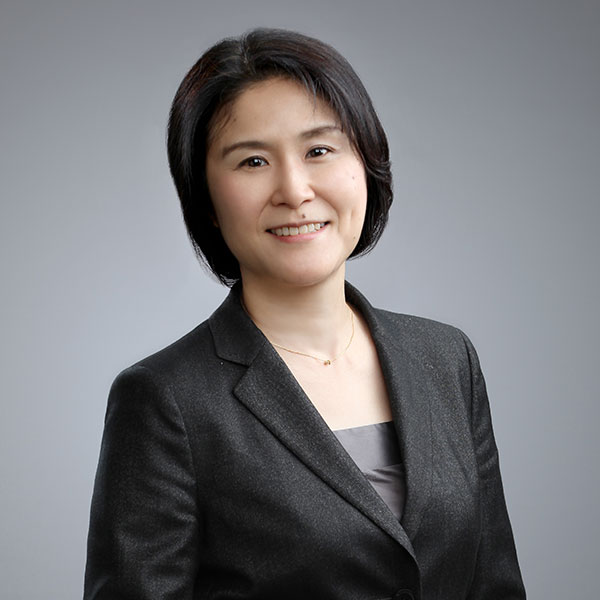 Yasuko Nagasaka, MD, PhD
Chair, Professor in Anesthesia,
Tokyo Women’s Medical University
I am a Japanese and US board-certified anesthesiologist.
After obtaining board in Internal Medicine, I have completed anesthesia residency in Japan then the US anesthesia residency followed by adult cardiothoracic anesthesia fellowship both at Massachusetts General Hospital, Harvard Medical School.
My clinical research topics are: human protein haptoglobin for acute kidney injury in patients undergoing open-heart surgeries on cardiopulmonary bypass, EEG monitoring during general anesthesia and postoperative delirium/agitation in children, and postpartum depression in association with labor epidurals.
My basic/translational research topic is: nitric oxide-derived hypotension by general anesthesia and its downstream mechanisms.
In 1994, I graduated Tokyo Women’s Medical College now University in Japan. After the training in Internal Medicine (1997), and in Anesthesiology (2003) both at St. Luke’s International Hospital in Tokyo, I started my research career and became the Research Fellow and PhD candidate in the Department of Anesthesia, Tokyo Women’s Medical University in 2003. In 2005, I became Dr. Warren M. Zapol, and Dr. Kenneth D. Bloch’s research fellow at
Massachusetts General Hospital, Harvard Medical School, and became a staff member (Instructor in Anesthesia) thereafter. In 2010, I started my clinical training in the US, Categorical Intern in Medicine (transitional year), Department of Medicine, Newton-Wellesley Hospital, Tufts University School of Medicine, Newton, MA. I completed residency in Anesthesiology (06/2012-09/2014), and Cardiothoracic Anesthesia Fellow (2014-2015), in the Department of Anesthesia, Critical Care and Pain Medicine, at Massachusetts General Hospital, Harvard Medical School. I stayed at MGH as a staff for 6 months (Instructor in Anesthesia), then came back to Japan in 2016, to chair the Department of Anesthesia at St. Luke’s International Hospital (2016-2020).
I took the chair position and became professor of the Department of Anesthesia at Tokyo Women’s Medical University (2020- current). I serve as an associate editor of the journals Anesthesia and Analgesia, BMC Anesthesiology, and Korean Journal of Anesthesiology.
Despite increasing administrative responsibilities, I remain actively engaged in cardiac anesthesiology, education, and advancing scientific research.