 Articles
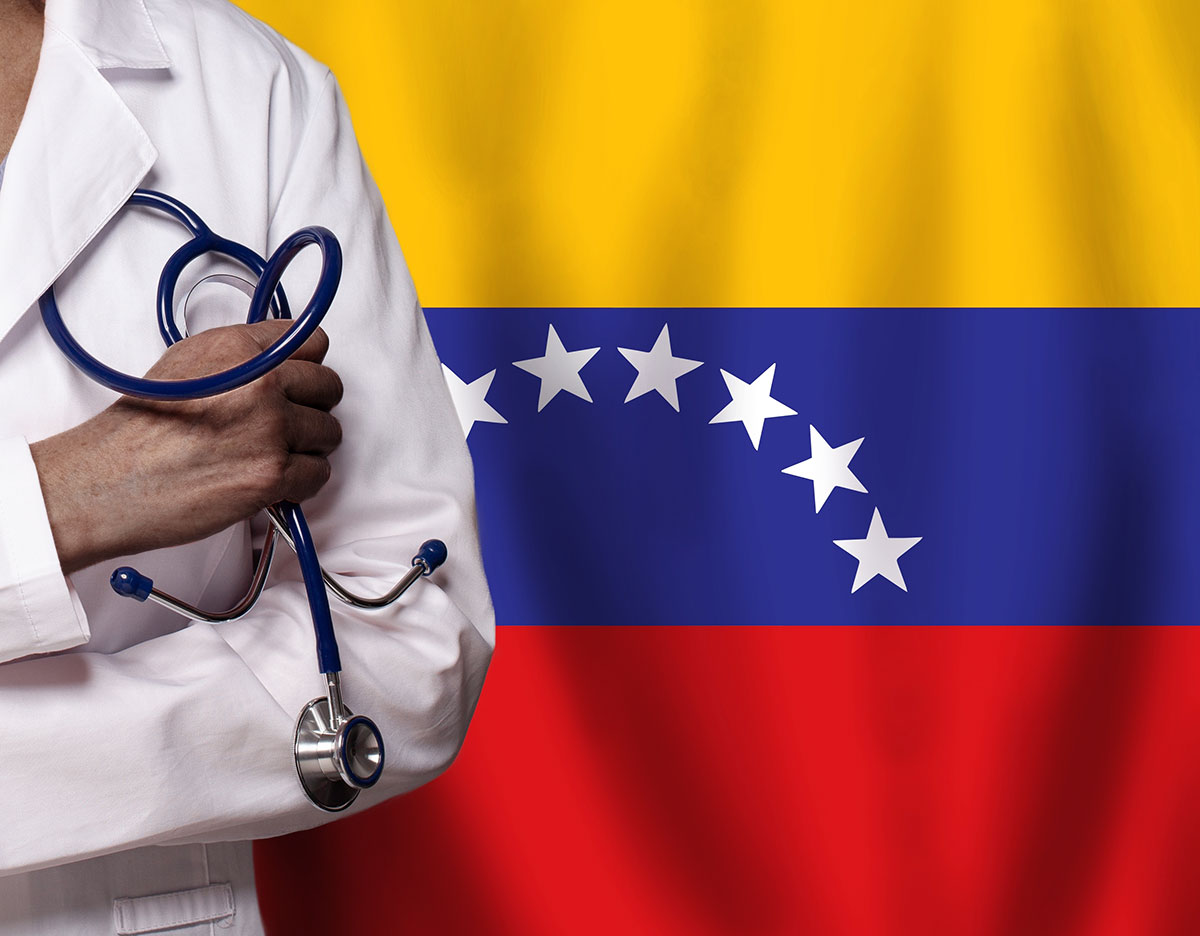 In July 2025, the American Society of Anesthesiologists (ASA) along with the Society for Pediatric Anesthesia (SPA) and Wake Up Safe (WUS) issued a joint warning regarding an ongoing safety concern that had first been raised by anesthesiology societies in South America, of sporadic anecdotal reports of otherwise healthy patients of Venezuelan descent who have had significant neurologic injury following an apparently uncomplicated anesthetic. The warning was updated in late January 2026 to include more specific details and heightened concerns.1,2 Notably, the shared characteristic among these patients is maternal Venezuelan ancestry. Concerns around a specific genetic mitochondrial mutation as well as implicated anesthetics, such as sevoflurane, are noted in this warning as it relates to catastrophic anesthetic outcomes.1,2,3
Some patients had relatives who reported anesthesia-related adverse events, while other family members had undergone uneventful anesthetics, resulting in inconsistent and difficult to interpret family histories. To date, these tragic outcomes have involved the use of sevoflurane. Genetic testing has utilized both nuclear and mitochondrial DNA sequencing, and the mutation most implicated is the NADH dehydrogenase 4 (ND4) gene (mtND4 m.11232T>C), located in Complex I of the Electron Transport Chain. Because both volatile anesthetics and propofol interact with Complex I, each may contribute to risk. However, additional mitochondrial genomic variants have also been identified in affected patients, suggesting potential genetic heterogeneity.
Mitochondrial mutations can be homoplasmic or heteroplasmic, depending on the proportion of mitochondria carrying the mutation, which can influence the severity following an anesthetic. All patients in the current cases were determined to be homoplasmic, i.e. 100% of the mitochondria carried the mutations. Because mitochondrial DNA is maternally inherited, the mutation would be expected to be present in all offspring of an affected mother.3 Therefore, if homoplasmy is confirmed, the mother and all siblings of an affected child would also carry the mutation.
Patients with this presumed mutation in the mitochondrial genome seem to have a significant hypersensitivity to inhaled anesthetics resembling patients with severe mitochondrial complex I disease. Whether propofol serves as a similar inciting agent remains uncertain, as long-term outcome data are limited. Given the theoretical interaction between propofol and this mutation in Complex I requires careful consideration and further study. Although the issue remains under investigation, prolonged propofol infusions could plausibly contribute to metabolic stress in susceptible. Importantly, all reported adverse outcomes to date have involved sevoflurane exposure.
Current Recommendations for patients of Venezuelan ancestry from the ASA and SPA1,2 include:
- Anesthesia professionals should consider asking patients about maternal Venezuelan heritage. A negative family history of anesthetic complications does not eliminate risk. Any patient with direct maternal Venezuelan lineage should be considered at risk.
- Anesthesia professionals should handle questions regarding Venezuelan ancestry and associated explanations with care and sensitivity.
- Anesthesia professionals should consult with genetic experts regarding testing at-risk patients and laboratories should be alerted to the specific ND4 gene mutation.
The safest anesthetic plan has not been established. However, concerns exist regarding inhaled anesthetics and should be avoided, pending further study. Sevoflurane has been implicated in the current reported cases. The implications around propofol are not well documented. When appropriate, regional anesthesia should be considered, as well as medications currently not thought to interact with mitochondrial function (e.g. ketamine, dexmedetomidine, and short-acting opioids).
WHAT WE DO NOT KNOW
The prevalence and penetrance of this mutation in the population remains uncertain, as do the specific levels of anesthetic or choices of anesthetic that seem to cause the most significant perioperative issues. It is unclear if the implicated mitochondrial mutation is the only mutation that can cause a similar type of clinical picture, or if there are others or nucleotide interactions that may also contribute to these catastrophic outcomes.
HOW SHOULD WE APPROACH OUR PATIENTS AND FAMILIES?
Screening questions are essential for identifying at-risk patients. Because inquiries about ethnic background can be sensitive, it may be helpful to provide a brief explanation of why the question is being asked. Some pediatric institutions have utilized a scripted discussion with informational handouts available in preoperative areas. It is also important to clarify that these questions are NOT related to immigration status. A general way to introduce this discussion may include something like the following:
“All children respond to anesthesia medications differently. We are currently learning that some children respond differently to specific medications which we commonly use, and recently a link has been reported around children of a specific background. Our goal is to provide the best anesthetic and select the best medications for your child, so we are asking families about their ancestry. In some case reports, children born to mothers of Venezuelan ethnicity, have had challenges in metabolizing medications that we commonly use. We are avoiding specific medications which may be more difficult for them to break down if we have this information about the maternal ancestry.”
Messaging could specify that there are safe anesthetic options for patients, even those with mitochondrial defects, and the best medications will be selected based on each patient’s history and other comorbidities. It will be critical for the anesthesia professional and perioperative teams to be nimble in their approaches to patients as new evidence and approaches may arise in the near future. Additionally, reassurance to team members and patients that there is a safe alternative to some of the implicated anesthetics would be helpful in easing anxiety around the perioperative period.
Megha Karkera Kanjia, M.D. is Associate Professor in the Department of Pediatric Anesthesiology, Perioperative & Pain Medicine at Texas Children’s Hospital and Baylor College of Medicin.
Philip G Morgan, M.D., M.S. is Professor in the Department of Anesthesiology and Pain Medicine at Seattle Children’s Hospital.
Rahul Baijal, M.D. is Professor, Department of Pediatric Anesthesiology, Perioperative & Pain Medicine at Texas Children’s Hospital and Baylor College of Medicine
The authors report no conflicts of interest.
REFERENCES
- Society for Pediatric Anesthesia. Update regarding severe neurological complications and death after general anesthesia in adult and pediatric patients of Venezuelan ancestry. January 27, 2026. Accessed February 19, 2026. https://pedsanesthesia.org/updated-joint-communication-from-the-asa-and-spa/
- American Society of Anesthesiologists. Update regarding severe neurological complications and death after general anesthesia in adult and pediatric patients of Venezuelan ancestry. January 27, 2026. Accessed February 19, 2026. https://www.asahq.org/advocating-for-you/guidance/asa-spa-neurological
- Hinojosa CIY, Jiménez SA, Román CFL, Contreras JEF, Jara JFP. Potential Mitochondrial Pharmacogenetic Susceptibility to Severe Neurologic Events after General Anesthesia: Report from the Chilean Ministry of Health. Anesthesiology. 2026; doi.org/10.1097/aln.0000000000005935.