


 PDF
The article describes a collaborative effort between the Multi-Center Handoff Collaborative and Epic to improve the safety and quality of postoperative handoffs through a standardized, electronic health record (EHR)-embedded postoperative handoff report. The report was developed through a multi‑year, multidisciplinary consensus process and is designed to streamline communication, reduce errors, and integrate seamlessly into handoff workflows. Following the technical deployment at six pilot sites, we used multiple implementation strategies to promote adoption including training, stakeholder engagement, clinician champions and workflow optimization. Our planned multisite quality‑improvement study will evaluate the report’s feasibility, usability, and potential clinical impact, with results guiding further report refinement before roll-out at all Epic EHR institutions.
A COLLABORATIVE PARTNERSHIP BETWEEN MHC AND EPIC® (VERONA, WI)
In 2015, members of the American Society of Anesthesiologists and the Anesthesia Patient Safety Foundation formed the Multi-Center Handoff Collaborative (MHC) to advance safe and reliable patient handoffs. The MHC partners with health care organizations, professional societies, and health information technology vendors to co-develop and implement handoff tools nationwide. Its mission is to eliminate patient harm attributable to communication and teamwork failures during perioperative transitions of care by promoting a culture of teamwork, generating evidence, supporting implementation of best practices, and fostering education and training related to safer handoffs.
The MHC previously partnered with Epic® (Verona, WI) to develop an intraoperative anesthesia handoff tool that has since been implemented at institutions nationwide.1 Building on that experience, the MHC Electronic Health Record (EHR) and Implementation Working Group, together with the Epic Anesthesia analyst team, co-led development of an Epic-embedded operating room-to-intensive care unit (OR-to-ICU) handoff report (hereafter referred to as the OR-ICU handoff report). Compared with other perioperative transitions, OR-to-ICU handoffs involve higher patient acuity, greater complexity, and more interdisciplinary teamwork, making reliable communication and coordination especially important.2,3 Embedding a standardized report within the EHR was therefore a logical next step to reduce safety gaps and support consistent information transfer.
The objective of this initiative was to create a standardized, workflow-integrated OR-to-ICU handoff report that strengthens communication and provides a dependable, accessible record of handoff information for all care team members.
CO-DEVELOPMENT PROCESS OF THE OR-ICU HANDOFF REPORT
Development of the OR-ICU handoff report was guided by monthly meetings of a multidisciplinary working group that included anesthesiologists, intensivists, certified registered nurse anesthetists (CRNAs), bedside ICU nurses, researchers in clinical informatics, implementation science, and organizational sciences, and Epic analysts. The team first identified candidate handoff elements from prior research and input from MHC members. After selecting the core elements, the group developed multiple prototypes and refined them iteratively until consensus was reached on the report’s content, structure, and format. The Epic team then further optimized the report for standardization, usability, feasibility, and integration within the EHR and postoperative workflow. This process resulted in a single-page, standardized OR-to-ICU handoff report that functions both as a cognitive aid for verbal handoffs and as formal EHR documentation. The final report was developed for both desktop (Hyperspace) (Figure 1) and mobile (Haiku) (Figures 2a and 2b)) versions and was repeatedly reviewed to ensure that the workflow was easy for both sending and receiving teams to access and navigate.
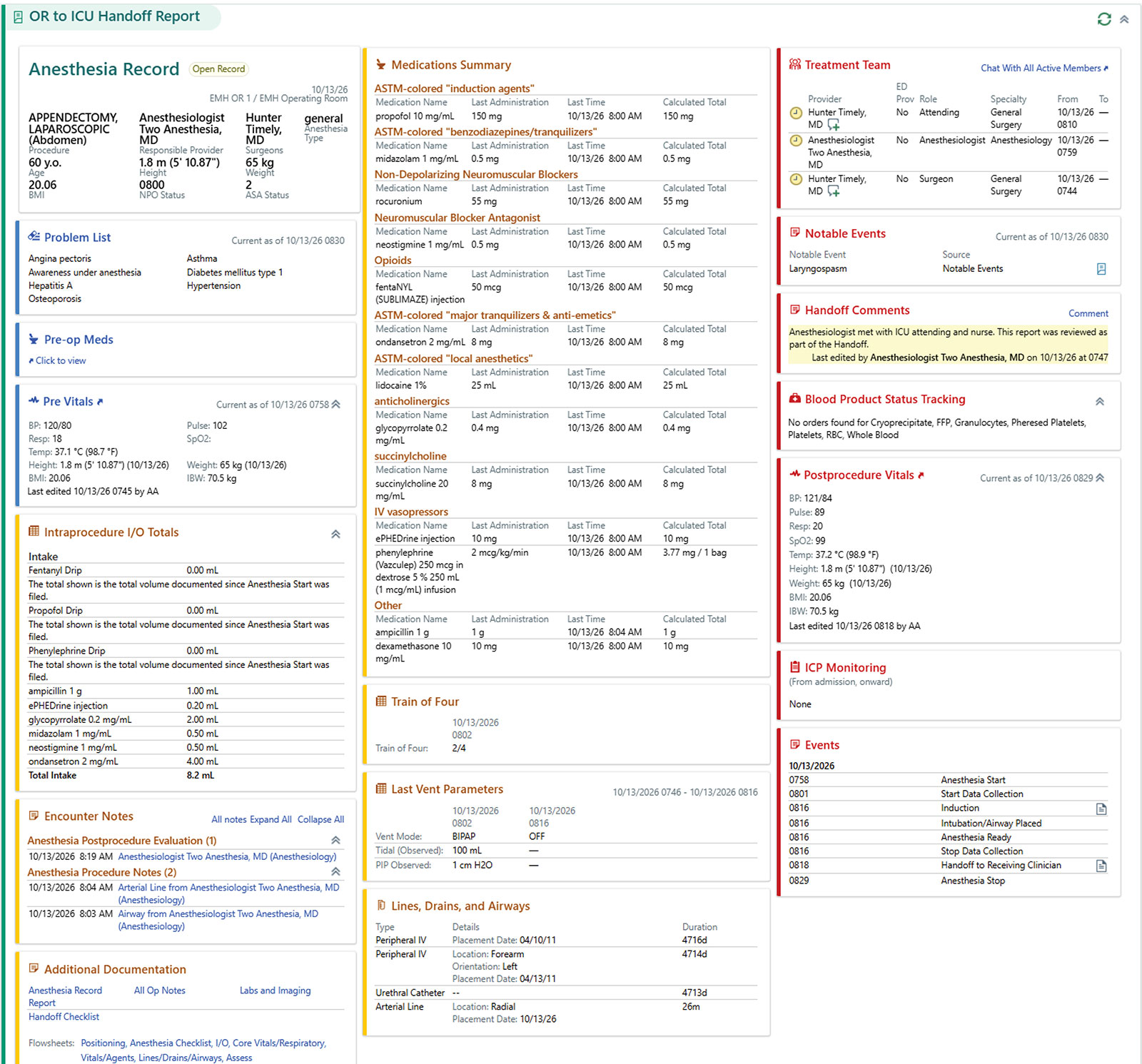
Figure 1. OR-ICU handoff report—Epic Hyperspace.
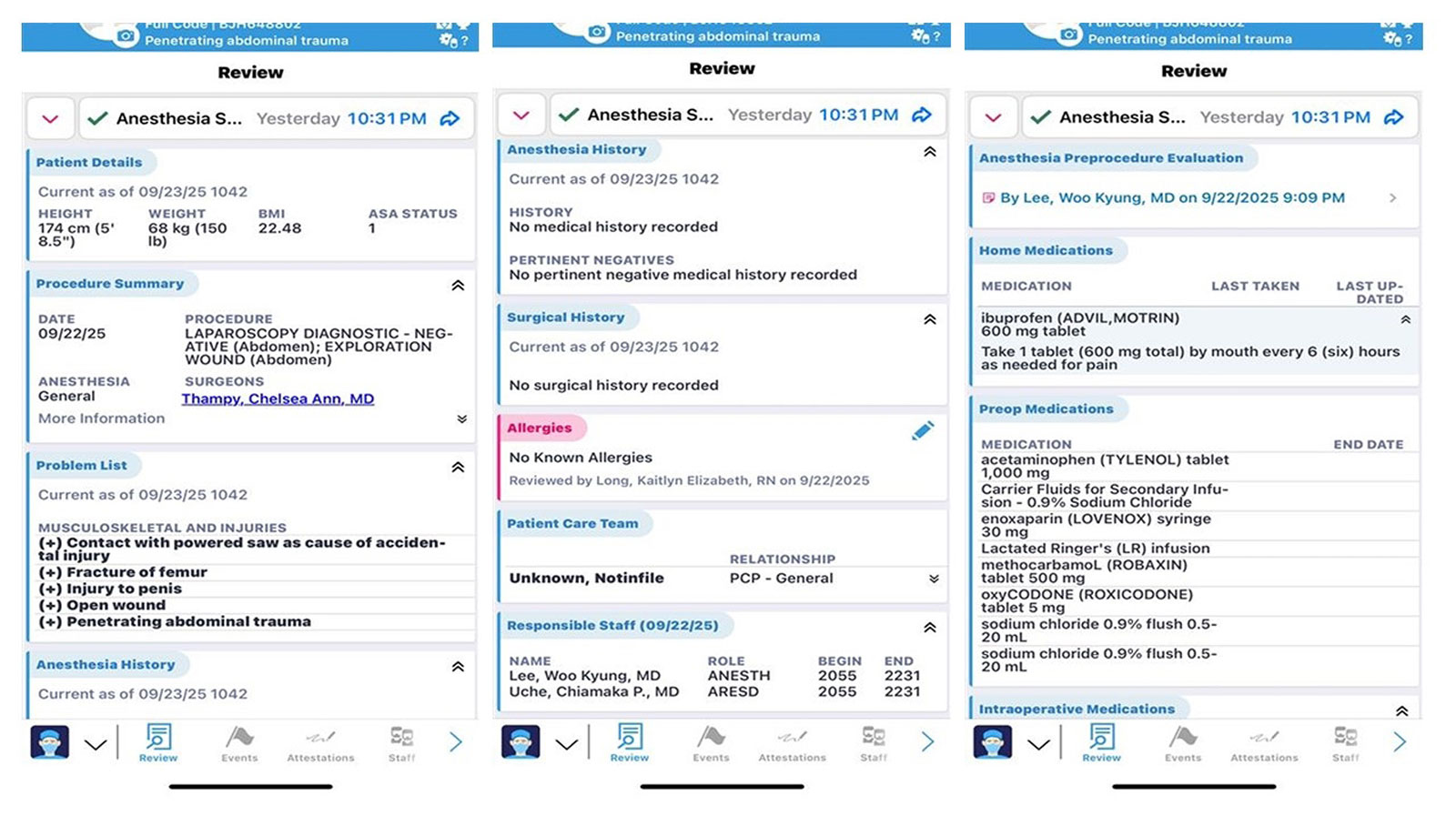
Figure 2a. OR-ICU handoff report—Epic Haiku.
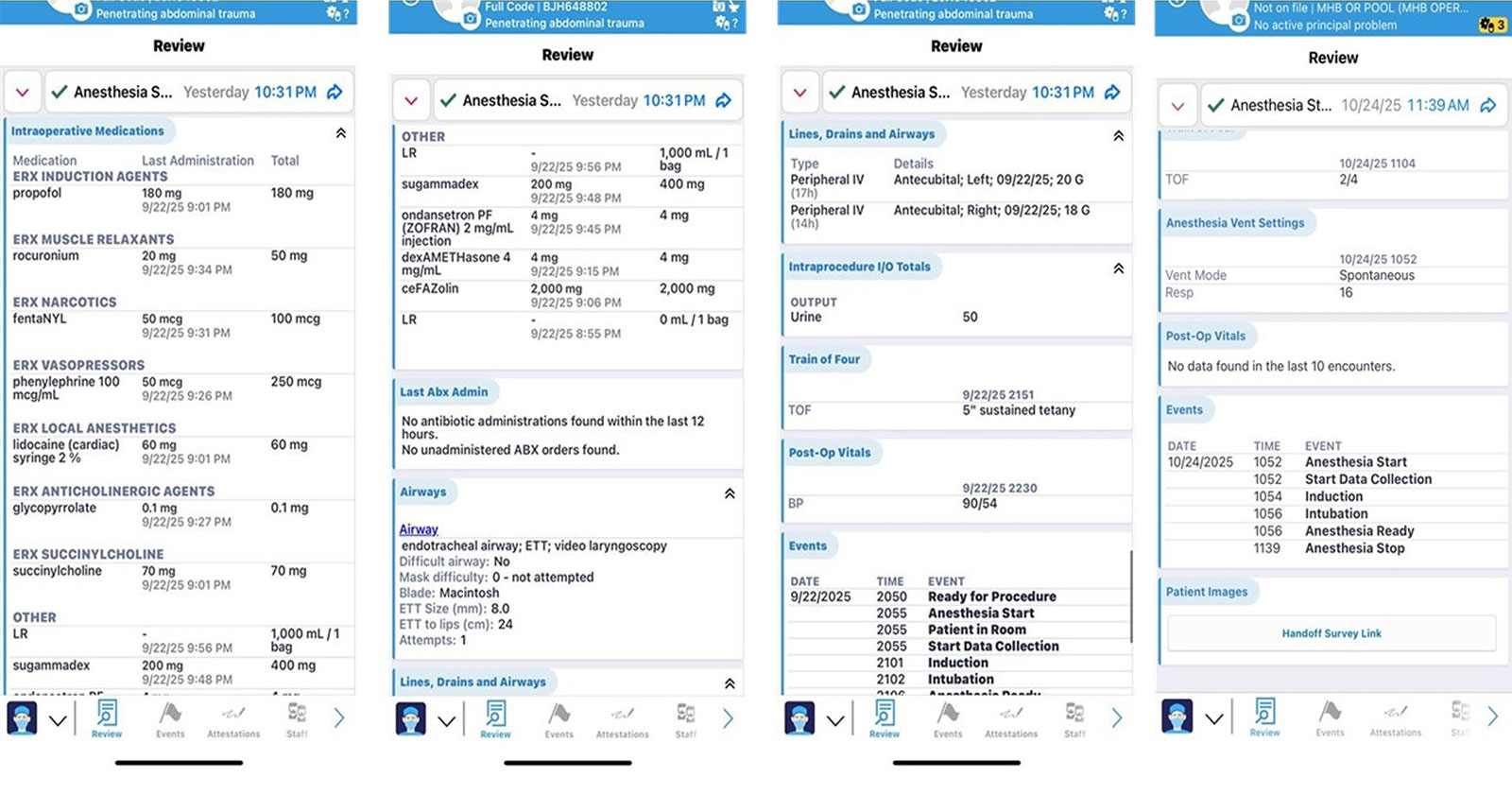
Figure 2b. OR-ICU handoff report—Epic Haiku.
FINAL PRODUCT: OR-ICU HANDOFF REPORT
The OR-to-ICU handoff report was designed to support reliable transfer of information, responsibility, and accountability between OR and ICU teams. Its standardized content includes medical history, surgical and procedural details, airway information, intravenous access and monitoring devices, fluid balance including blood products, medication allergies, home and perioperative medications, relevant laboratory data, and unexpected events (Table 1).
Table 1. Elements of the OR-ICU handoff report. Note: Preoperative (blue), intraoperative (yellow), and postoperative (red).
| Anesthesia Record |
 |
| Details about the patient and the procedure. |
| Problem List |
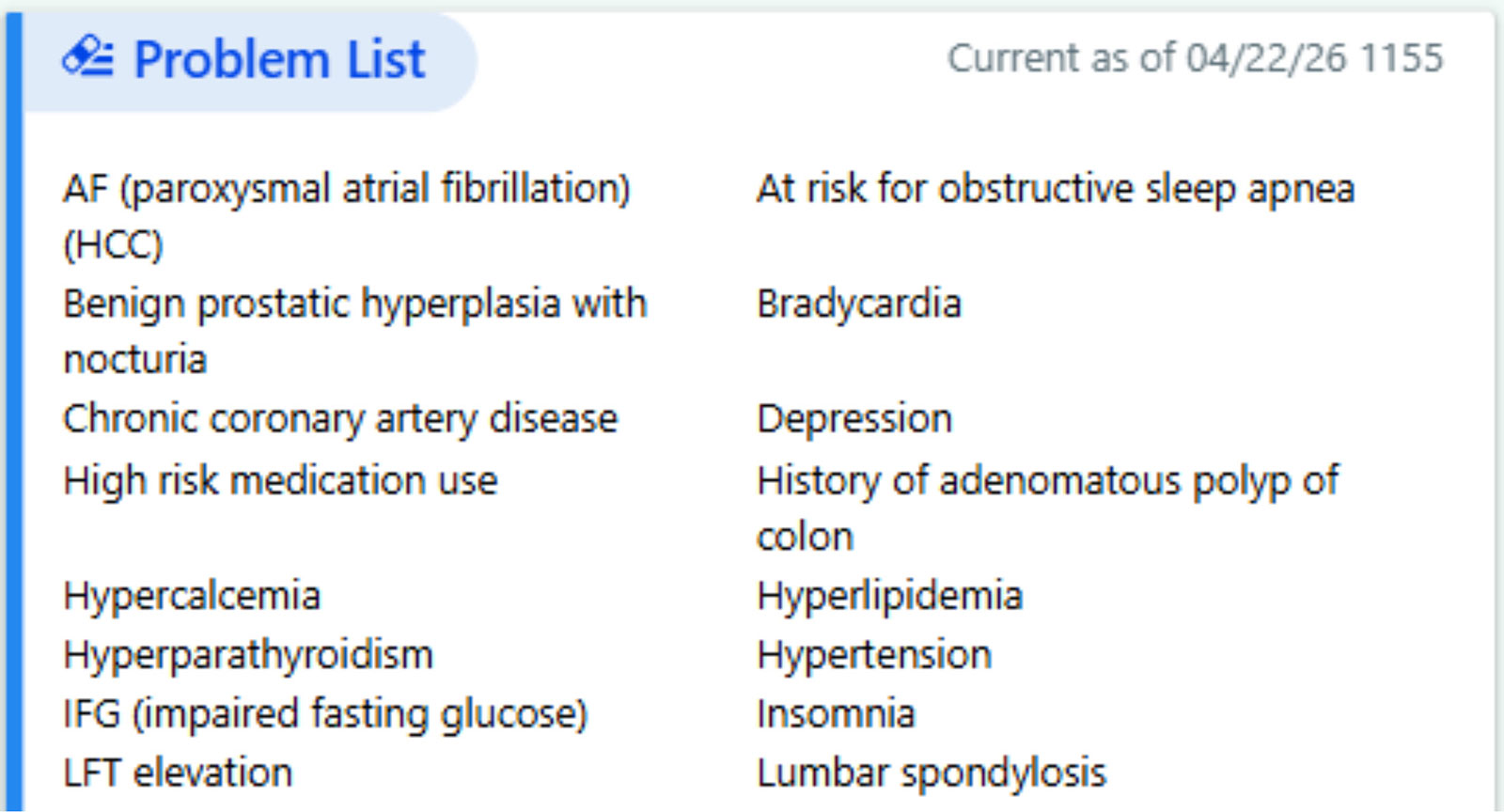 |
| Patient’s current list of problems. |
| Pre-Op Meds |
 |
| Link to patient’s pre-op, home, holding area, and inpatient medications when applicable. |
| Pre-Vitals |
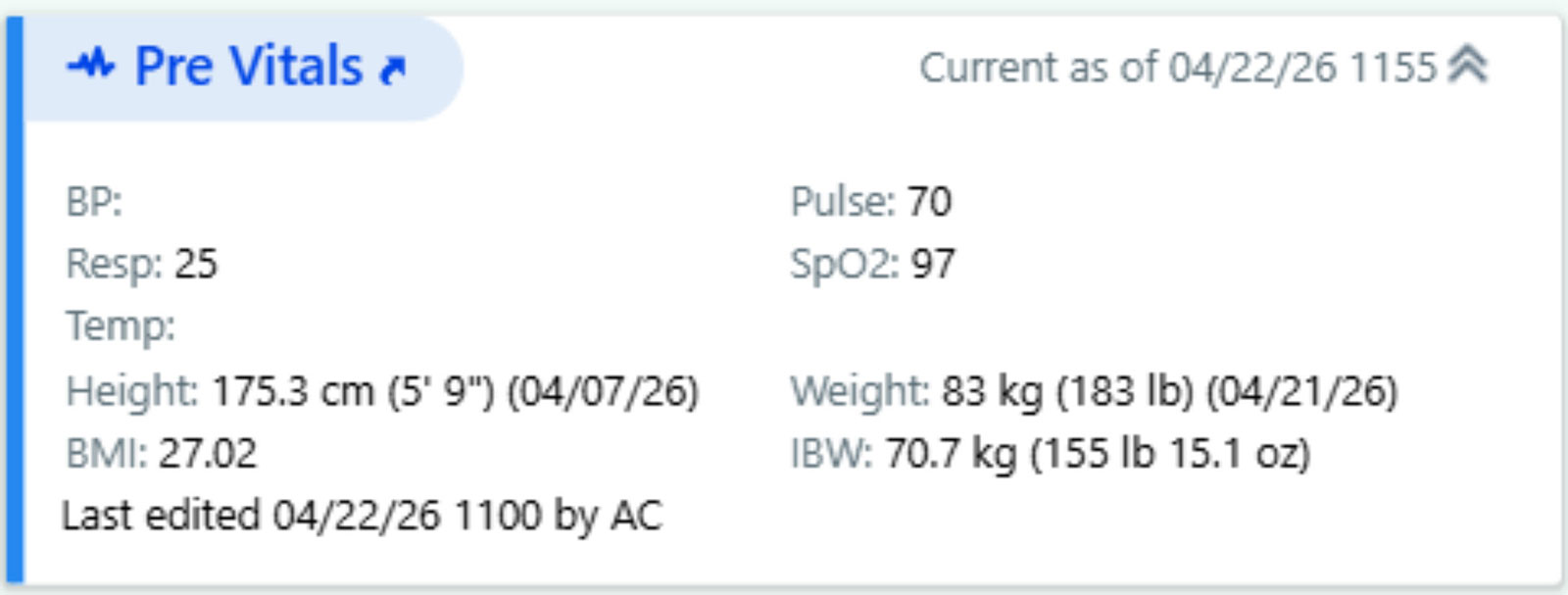 |
| Patient’s pre-op vitals. |
| Intraprocedural Input and Output Totals |
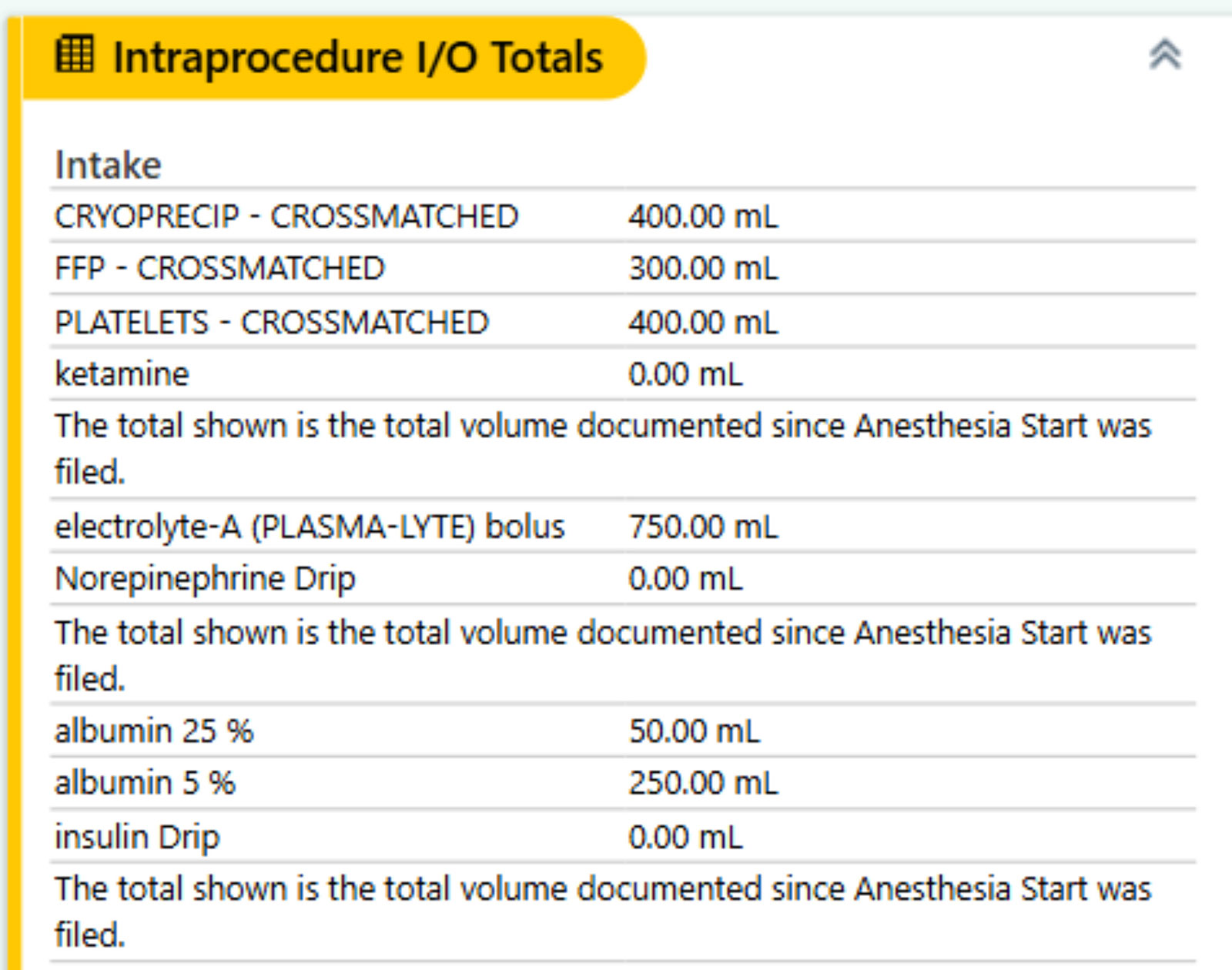 |
| Patient’s input (overall fluids, blood) and output (urine, blood, etc.). |
| Blood Products |
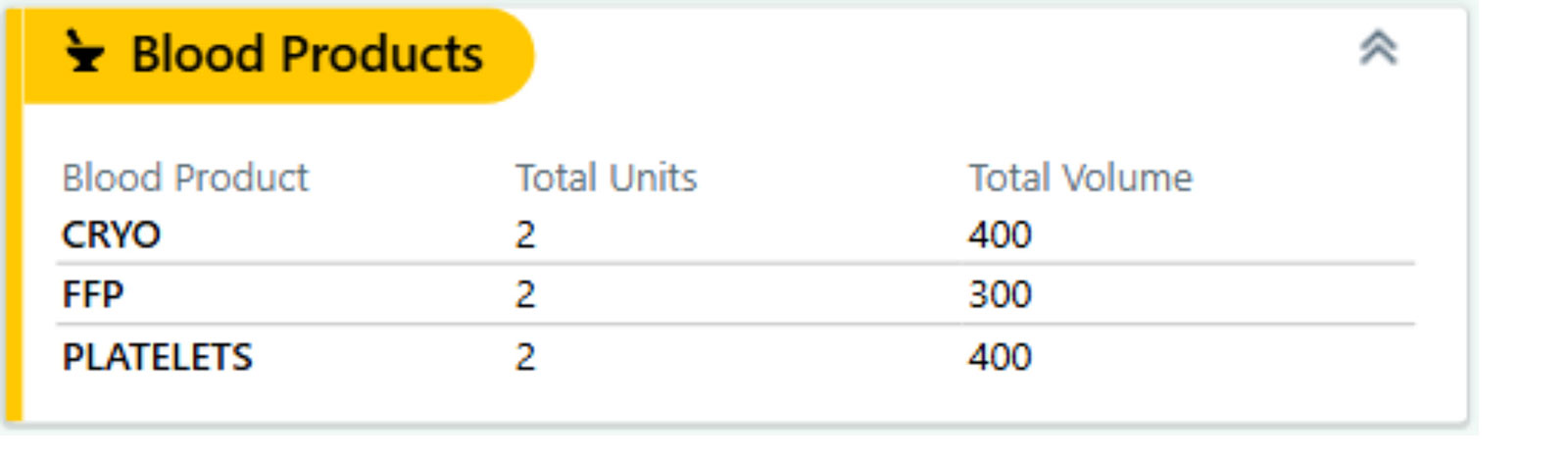 |
| Patient’s total units and volume of blood given intraoperatively. |
| Encounter Notes |
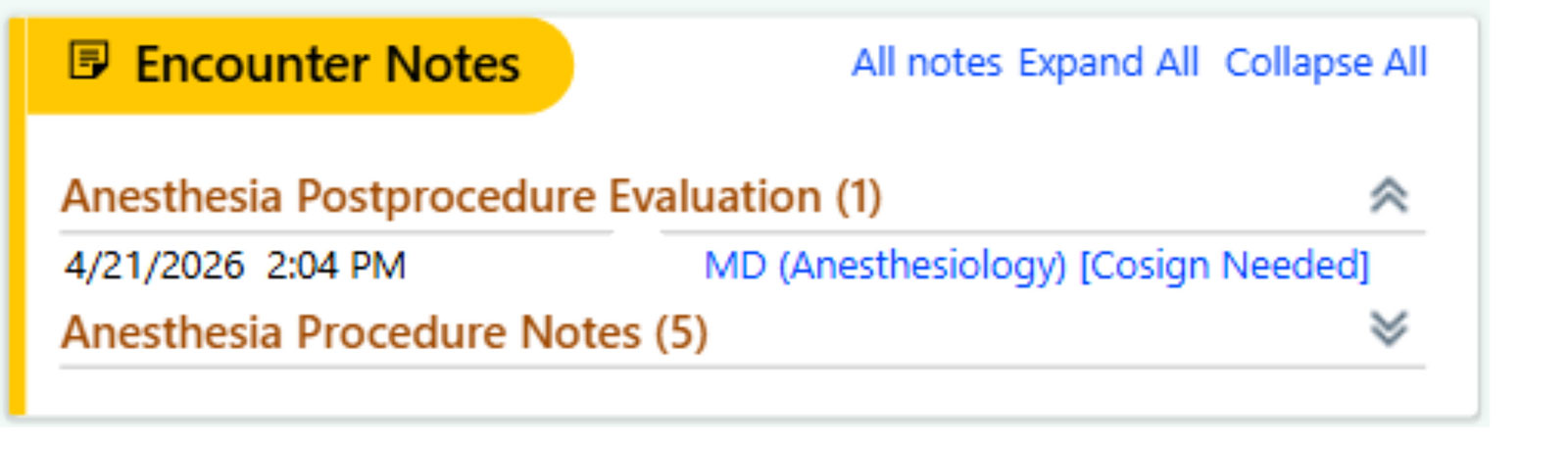 |
| Patient’s procedure notes. |
| Additional Documentation |
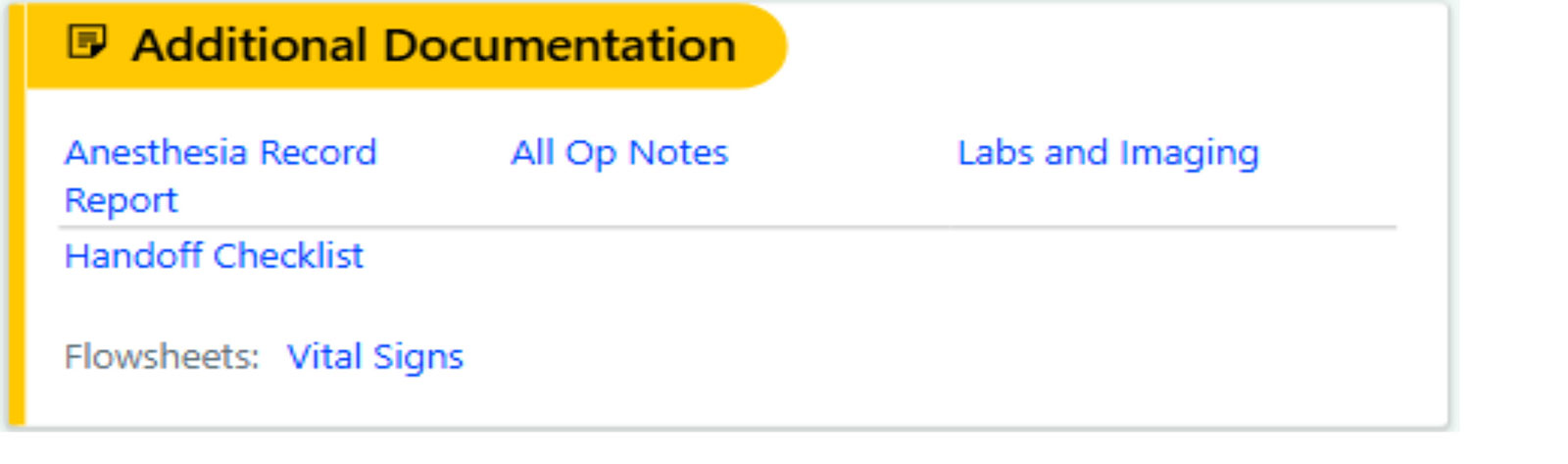 |
| Click to discover other detailed reports. |
| Train of Four |
 |
| Train of four ratio. |
| Last Vent Parameters |
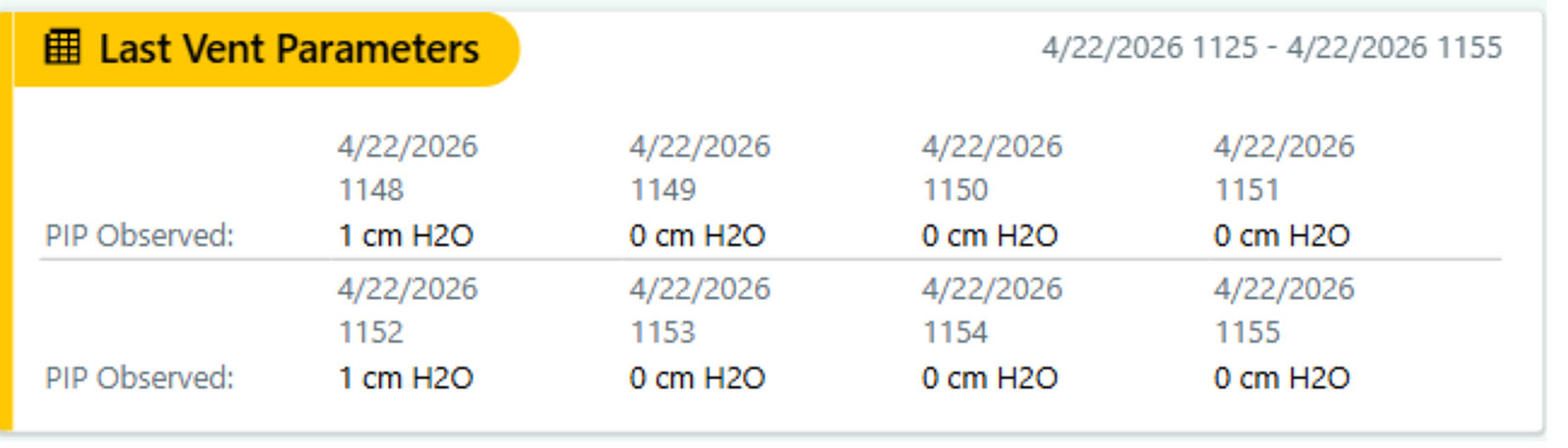 |
| Patient’s ventilator mode, and other ventilatory and oxygenation parameters. |
| Medication Summary |
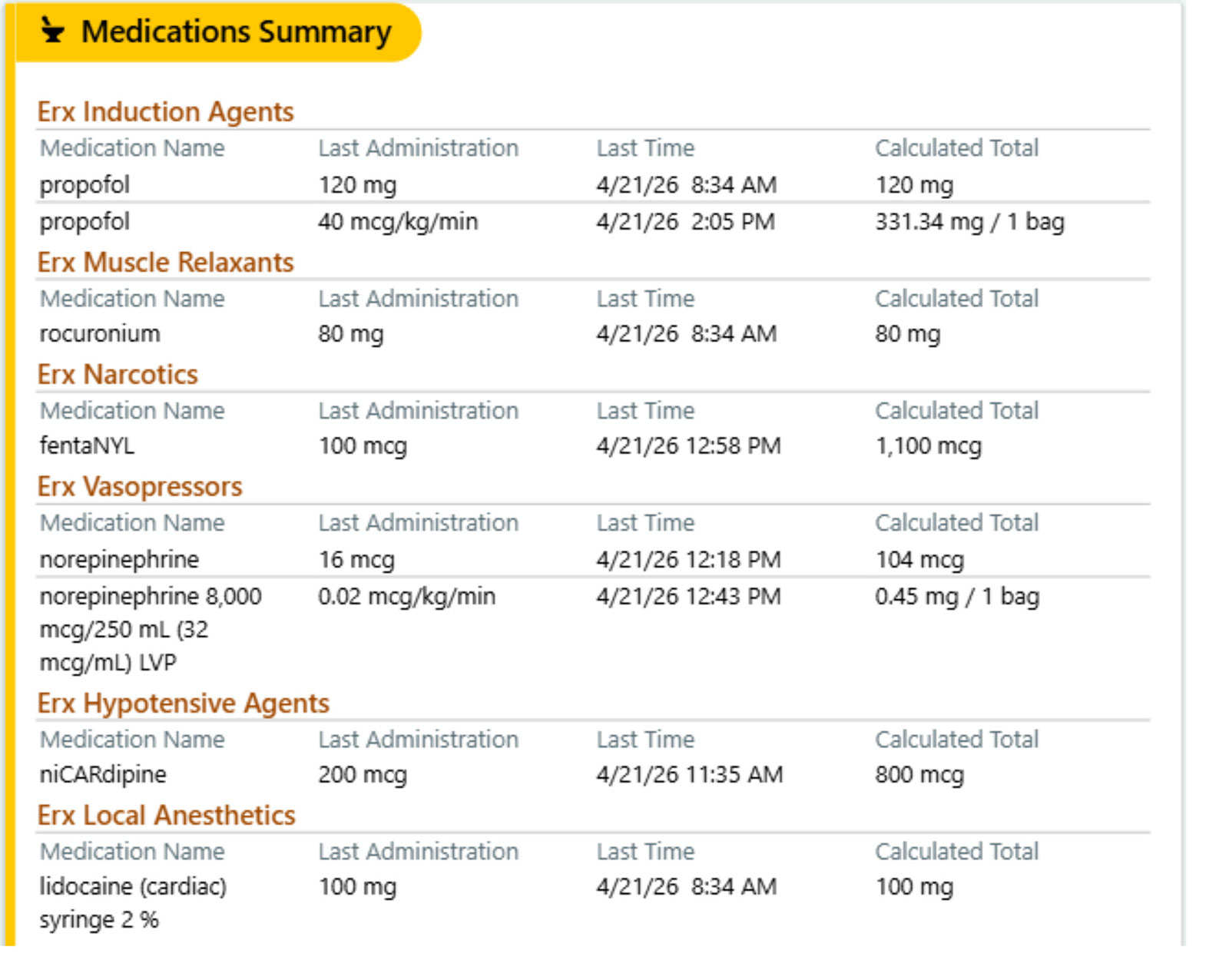 |
| Total dose, last dose and time of medications administered intraoperatively. |
| Labs (Last 24 hours) |
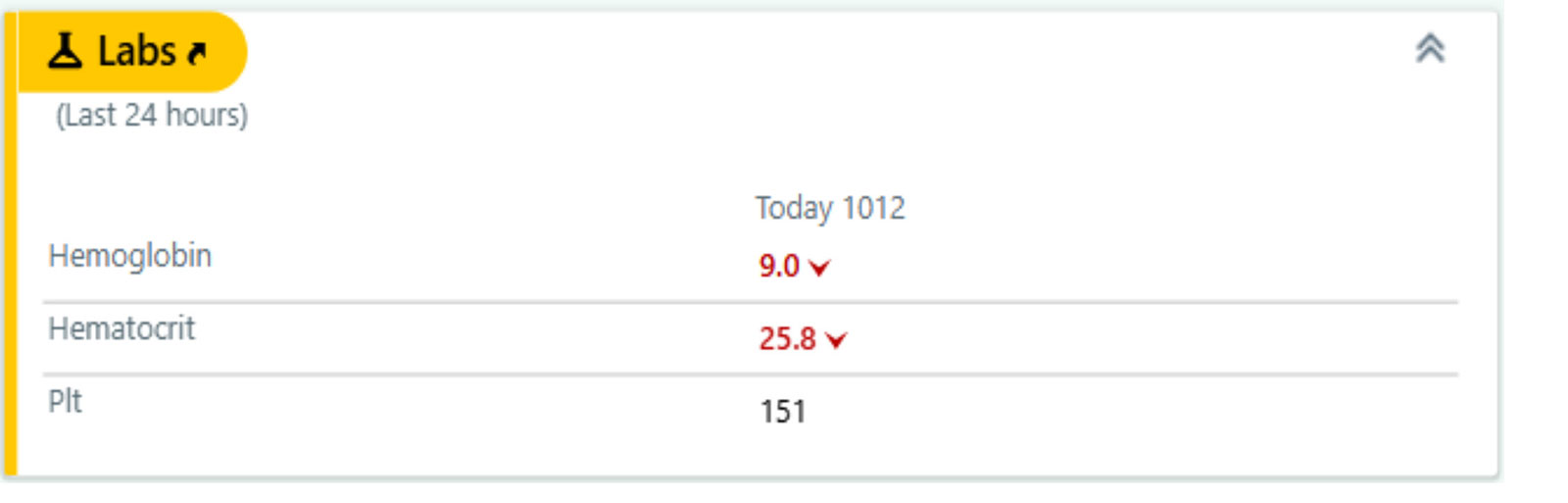 |
| Patient’s last lab values in the last 24 hours. |
| Lines, Drains and Airways |
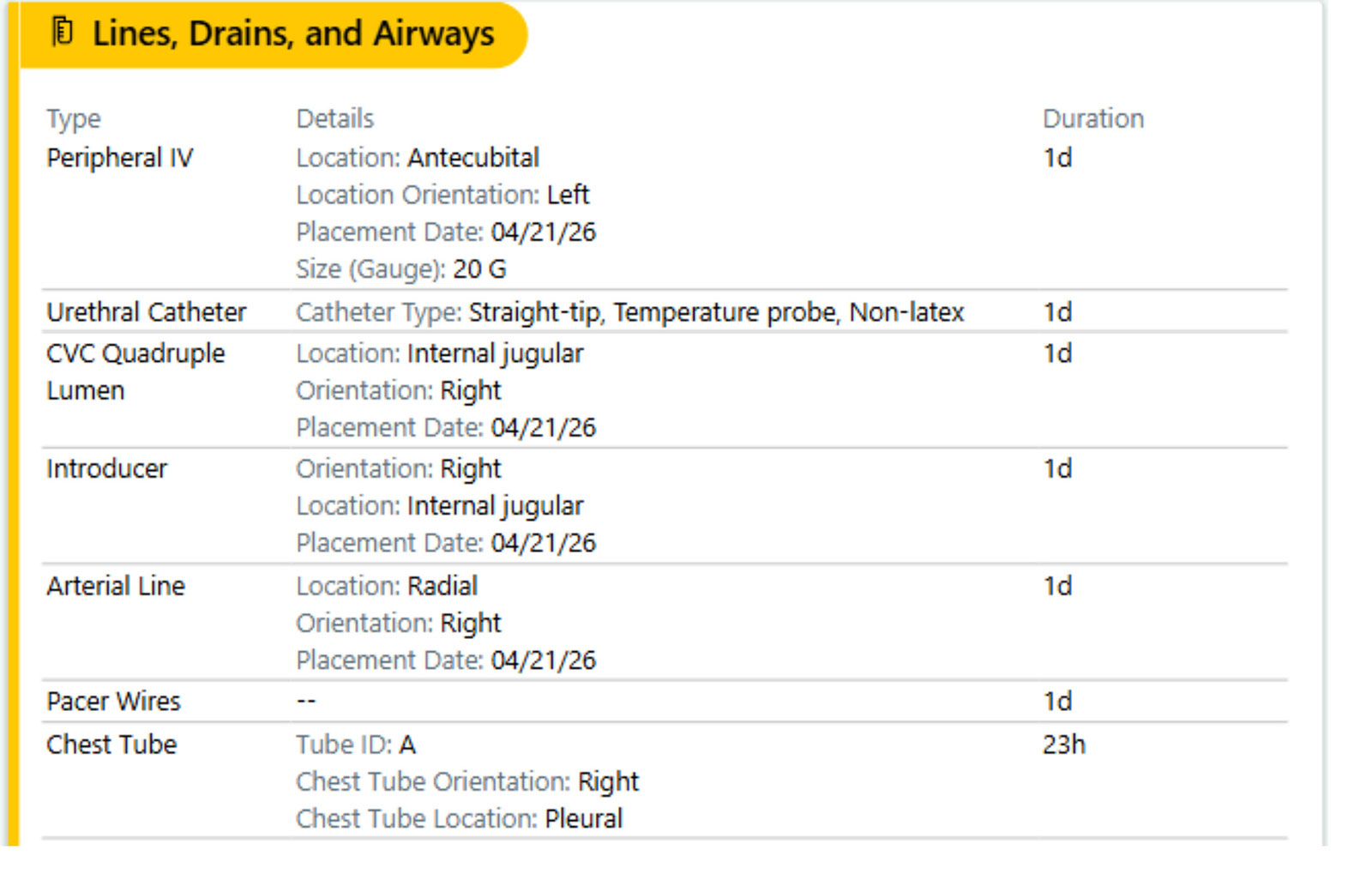 |
| Patient’s intravenous access, invasive hemodynamic monitors, and other devices. |
| Events |
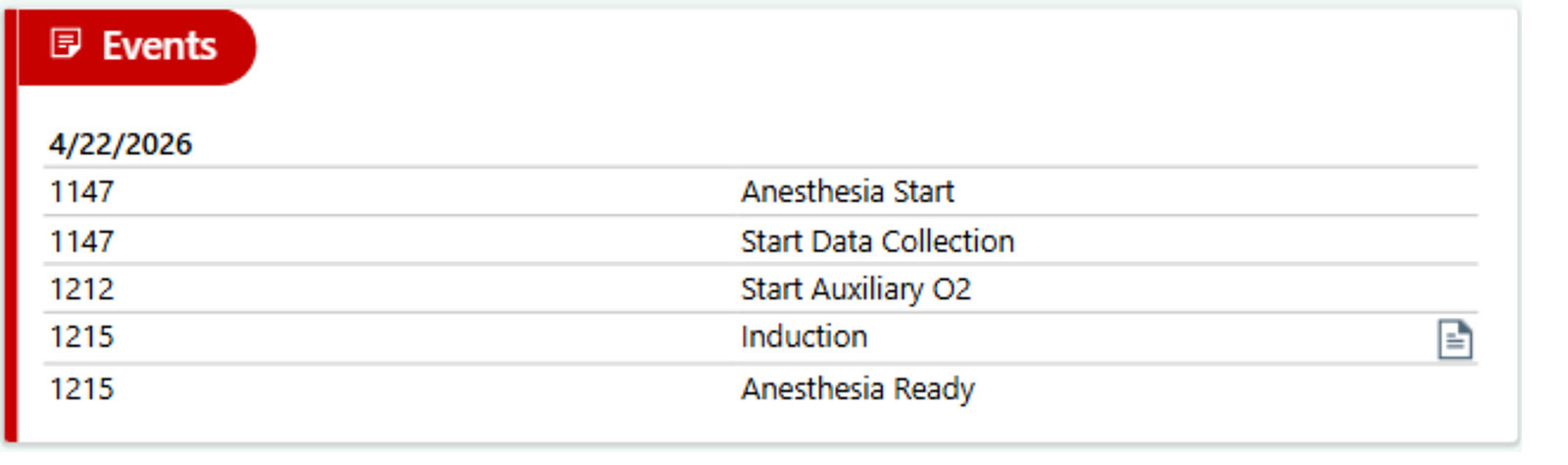 |
| All documented anesthesia events. |
| Treatment Team |
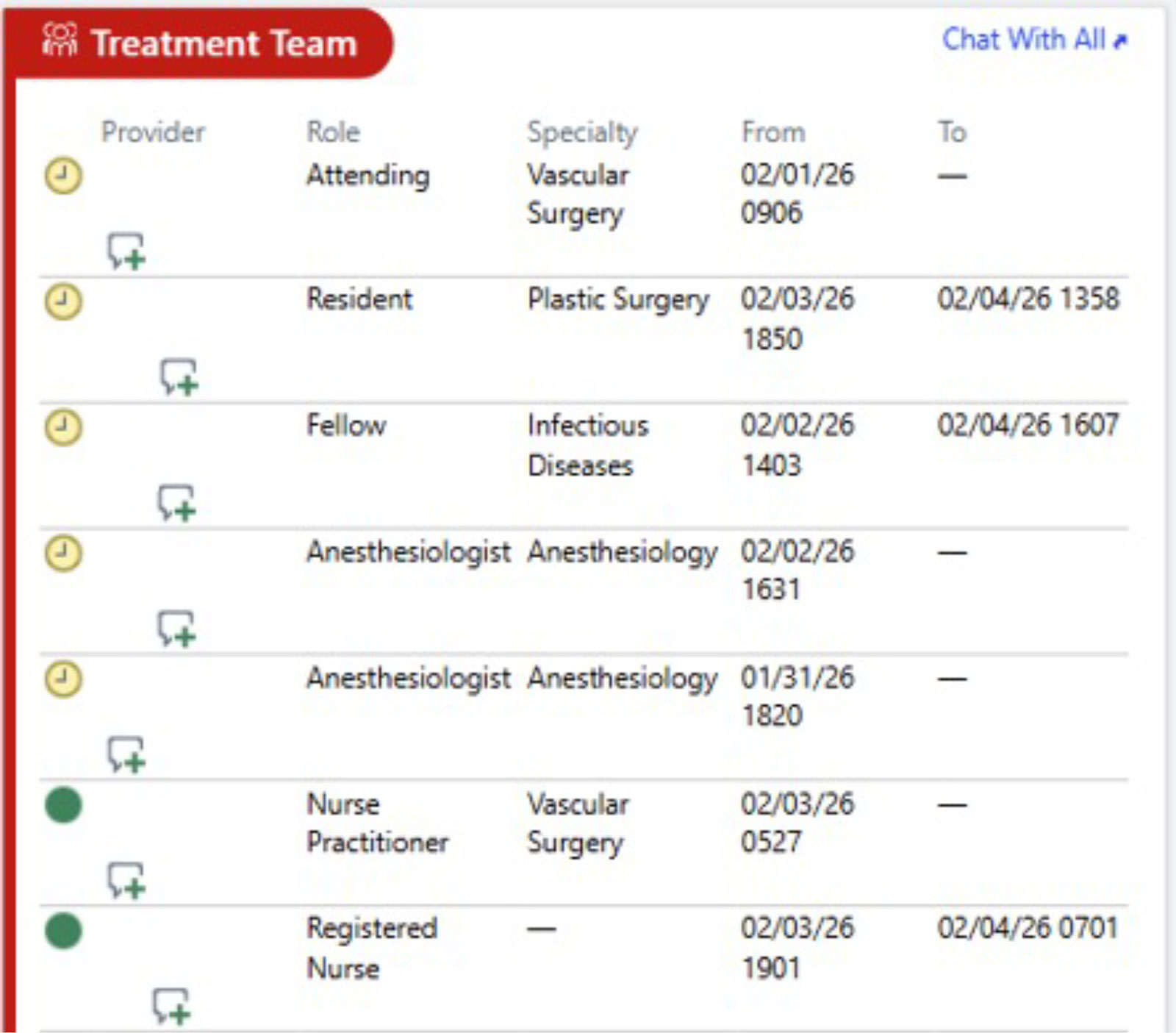 |
| Patient’s active treatment team for the patient. |
| Postprocedure Vitals |
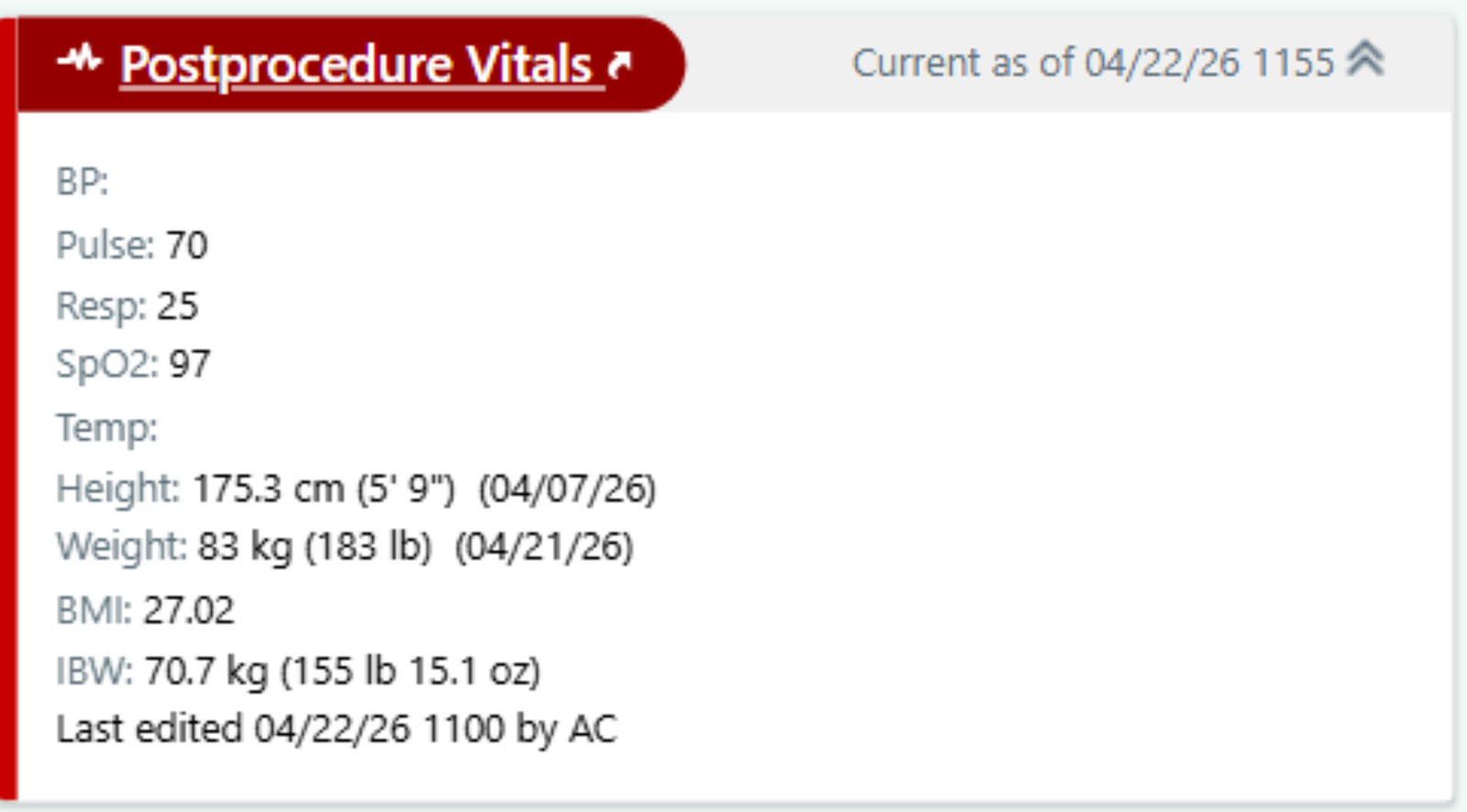 |
| Patient’s postprocedural vitals. |
| Notable Events |
 |
| Notable events that occurred in the OR. |
| Blood Product Status tracking |
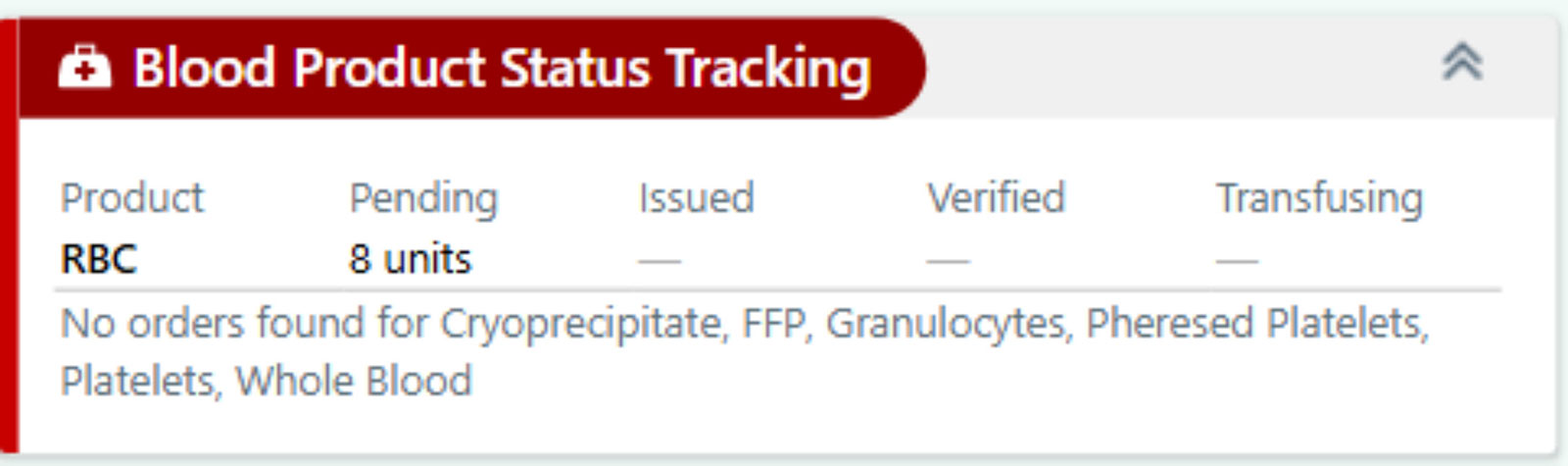 |
| Number of units of each blood product type. |
| Handoff comments |
 |
| Link to add any notable comments about the handoff. |
| Handoff Evaluation Survey* |
 |
| Survey link to provide feedback on the handoff report. |
| *Not part of the handoff report. |
To reduce redundancy and cognitive burden, the report is embedded in the EHR sidebar and automatically populates real-time patient data while preserving visibility of the patient header, the active intraoperative medication grid, and graphical vital signs.
The OR-ICU handoff report is intended to streamline handoffs by helping clinicians present key preoperative and intraoperative information while also discussing the postoperative treatment plan. It is accessible to both OR teams (including anesthesia professionals and surgeons) and ICU teams (including critical care clinicians, advanced practice clinicians, respiratory therapists, and staff nurses) through multiple workflows. The report provides a concise, single-page summary and includes existing links to preoperative evaluations, recent laboratory results, imaging studies, and other relevant documentation. In addition, a free-text “Comments” section allows transferring and receiving clinicians to capture contextual details not reflected in structured data fields.
IMPLEMENTATION PROCESS OF THE OR-ICU HANDOFF REPORT
The OR-ICU handoff report was deployed across five pilot sites in the fall of 2025. To support implementation, Epic analysts provided TurboCharger packages and iteratively refined the technical workflows. Implementation strategies included engaging key stakeholders such as institutional leaders, anesthesia and critical care operations teams, OR and ICU nursing leaders, and Epic anesthesia analyst teams, as well as identifying clinician champions to lead adoption within their units. Educational efforts included clinician training sessions and the use of infographics and flyers to raise awareness. Targeted outreach through customized emails to OR and ICU clinicians provided workflow-specific guidance and supporting materials to promote effective use of the report.
CONCLUSION AND FUTURE WORK
This collaboration between the MHC and Epic resulted in a comprehensive, EHR-embedded OR-to-ICU handoff report designed to improve patient safety during high-risk care transitions. The initiative shows how cross-industry collaboration can translate evidence-based handoff principles into scalable, workflow-aligned tools. It also demonstrates the value of designing implementation and usability considerations alongside the tool itself.
We are conducting an ongoing multisite quality improvement study across six geographically and institutionally diverse academic medical centers to evaluate the feasibility, usability, and perceived effectiveness of the OR-ICU handoff report across diverse clinical environments, workflows, and implementation contexts. The participating sites include Washington University in St. Louis, the University of Minnesota, Yale University, the University of Iowa, University of Texas Southwestern, and Cedars-Sinai. This multisite evaluation will provide critical evidence of the report’s generalizability, scalability, and readiness for broader implementation. Findings will guide further optimization of the report and its associated workflow and lay the foundation for a future multisite cluster-randomized trial to determine its impact on clinical and patient outcomes.
Joanna Abraham, PhD, is a professor in the Department of Anesthesiology and the Institute for Informatics, Data Science and Biostatistics at Washington University School of Medicine, St. Louis, MO.
Andrea Vannucci, MD, is professor of anesthesiology and Laura Cheney Chair in anesthesia patient safety at the University of Washington School of Medicine, Seattle, WA.
Kunal Karamchandani, MD, is professor of anesthesiology at the University of Texas Southwestern Medical Center, Dallas, TX.
Aalok Agarwala, MD, MBA, is associate professor of anesthesiology at the University of Colorado Hospital, Aurora, CO.
The authors report no conflicts of interest.
Acknowledgment: This work was in part supported by the Agency for Healthcare Research and Quality, R01 HS029324 to the first author.
REFERENCES
- Hong Mershon B, Vannucci A, Bryson T, et al. A collaborative partnership between the Multicenter Handoff Collaborative and an electronic health record vendor. Appl Clin Inform 2021;12(3):647-54. PMID: 34320682
- McElroy LM, Macapagal KR, Collins KM, et al. Clinician perceptions of operating room to intensive care unit handoffs and implications for patient safety: a qualitative study. Am J Surg. 2015;210(4):629-35. PMID: 26198333.
- Lorinc A, Henson C. All handoffs are not the same: what perioperative handoffs do we participate in and how are they different? APSF Newsletter. 2017;32(2):29, 32-33. https://www.apsf.org/article/all-handoffs-are-not-the-same-what-perioperative-handoffs-do-we-participate-in-and-how-are-they-different/. Accessed June 6, 2026.


